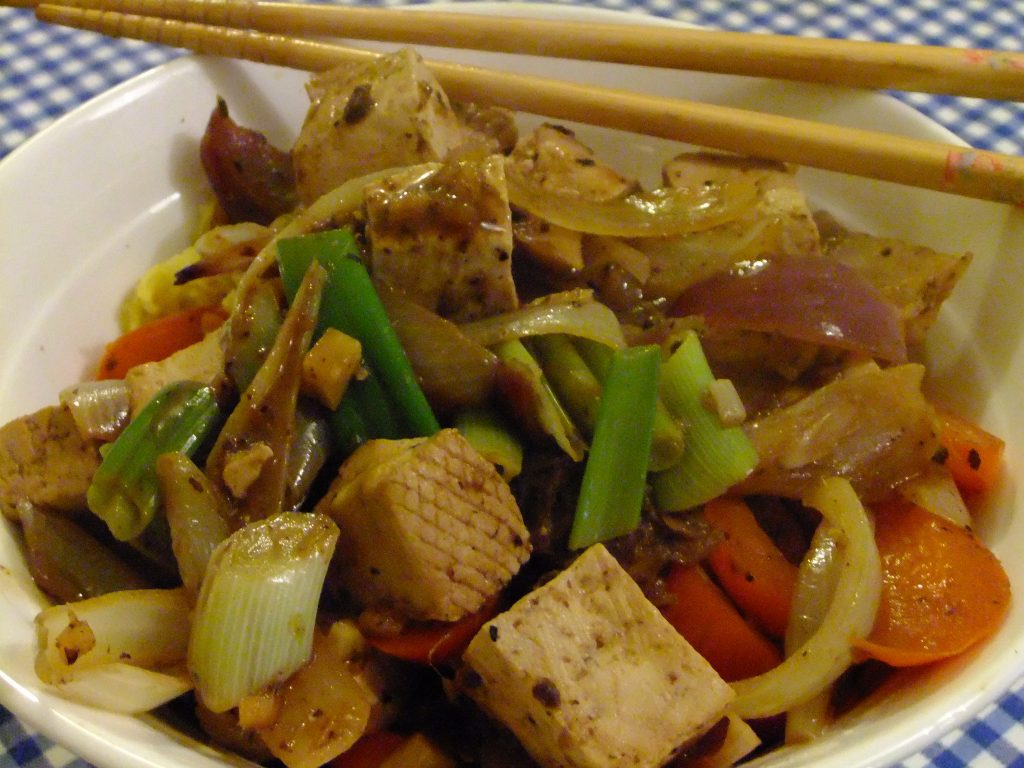
I love this cheap, aromatic dish for a comforting weeknight dinner. The tofu (or chicken fillet) takes up the flavour of the ginger and the black bean sauce well. It’s a good “crossover” dish which means you can feed meat-eaters and all but the strictest vegetarians together. To feed 1 vegetarian 1 arnivore halve the quantity of tofu and add 1 small chicken fillet (sliced 1cm thick across the grain) at the same time as the tofu. Cook till tender. You can then divide the tofu from the meat when serving (or on your plate, as my husband does when stay pieces of tofu escape onto his plate!!). If you really can’t abide tofu, then just use a small chicken fillet per person and drop the tofu.
For 2 See my larder & shopping section for where to buy new-to-you ingredients
1 rounded teaspoon extra virgin coconut oil
1 large onion (red if possible), peeled, cut in half and sliced into wedges (like the segments of an orange)
2 large cloves garlic, peeled and crushed or chopped roughly
1 dsp fresh root ginger, peeled and finely chopped or grated
4 large red peppers, de-seeded and sliced
250g organic, gmo-free fermented tofu (cut in approximately 1.5cm cubes)
1 tbs black bean sauce from Asian shops or use home-made (see recipe below)
A squeeze of lemon juice
Optional: 1 tbs dry sherry
Freshly ground black pepper
To serve:
2-3 cupfuls of cauliflower rice (home-made or from supermarket freezer section) or 100g brown basmati rice (dry weight)
If using rice, put it on to cook (see “how to cook brown rice” post for an easy way cook a lovely golden-coloured rice).
Throw the onions into a frying pan or wok with the coconut oil and the red peppers over a medium heat. Add a tiny splash of boiling water or vegetable stock, put a lid on, and sweat for 5-10 minutes until everything is softened a little.
Add garlic and ginger, turn up the heat and cook for 1 minute, stirring.
Add tofu/chicken, black bean sauce and sherry. Simmer, covered, for 5-10 mins, stirring occasionally, until the tofu is cooked through (it will swell a little when it’s cooked), and the chicken (if using) is opaque.
Add lemon juice and black pepper and stir.
Serve with the rice
Variation:
Add tamari sauce to taste.
Use quinoa grains instead of brown rice if you want. It boosts the protein content of the meal.
You could also add in odds and ends from the fridge eg. leftover cooked green beans or cabbage or a few spring onions, sliced in 3cm lengths.
Black bean sauce:
This sauce keeps for 6-8 months in the fridge. If you own a mini food-processor it is worth making a jarful as it takes around 5 minutes to make from scratch. The type of black beans you need for this are semi-dried and are black and wrinkly-looking, like currants. They are available in the Asia Market or other oriental stores – you will need to ask for them though as they are usually labelled in Chinese. You CAN buy black bean sauce ready made but its usually packed with vitality-sapping sugar, maltodextrin and (watch out you gluten-sensitives) gluten.
Ingredients:
4 tbs black beans
Sherry (ideally dry but sweet will do)
1. Grind 4 tablespoons black beans to a paste in a pestle and mortar or a miniature food processor.
2. Add enough sherry to mix to a paste the consistency of yoghurt.
3. Store in a glass jar with lid in the fridge for up to 6 months – the sherry preserves everything.
Why this is good for you This recipe give you a small amount of rice (or even better, use cauliflower “rice”) and a larger amount of protein and low-starch veggies. This helps your health, waistline, and energy levels. Herbs and spices such as ginger and garlic help your liver cleanse the large amount of natural (and unnatural) chemicals we are exposed to every day. Good liver function is needed for almost all aspects of good health. Your liver is important for hormone balance, protecting you against life-threatening illness, maintaining good energy and even skin health. Fermented non-gmo soya products (eg fermented tofu, tempeh, miso) act as selective oestrogen receptor modulators, help balance hormones for both women and men.
Scientific research suggests that unfermented soya products (eg. soya “cheeze”, soya milk) are not helpful to our health. It’s best not to eat unfermeted tofu very much. Like wheat, milk, peanuts and cashews it is very high in lectins which cause temporary damage to your digestive system. If you can, then avoid regular intake of inferior (non-organic, non-fermented) tofu products. They are made using soy isolate (rather than whole soya beans)which can also can be contaminated with aluminium. Genetically modified foods cause immune suppression in animal studies and so are best avoided – good tofu will say non-gmo or organic on the package. You can keep leftover raw tofu for a week or more by covering it in salty water in the fridge.
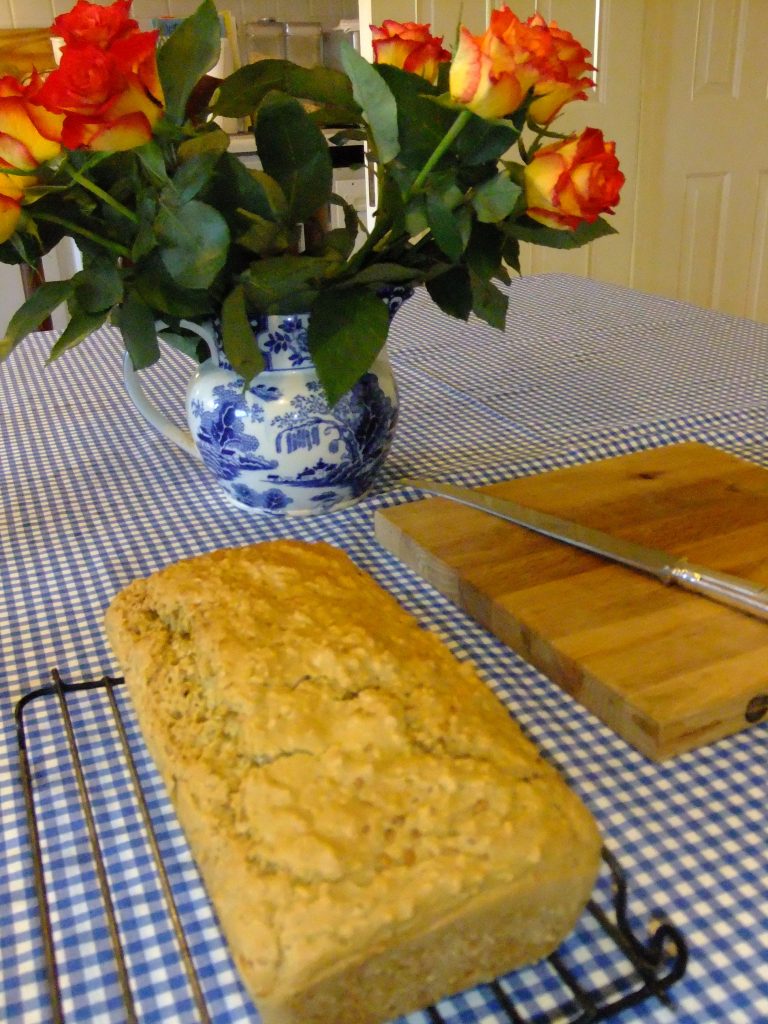
Since developing this recipe I’ve developed a simpler, yeast version that I find even more delicious (see super simple quinoa and rice yeast bread on this blog). But I’m leaving this recipe here in case you’re avoiding yeast. I developed this recipe as an alternative to the delicious (but horribly expensive) gluten-free quinoa bread by Artisan Bakery Originals. This is a lovely soft bread with a soft golden brown crust. It rises as well as any wheaten soda bread but has the gorgeous flavour of quinoa. You could use the mixture for scones too, spooning it into well-oiled muffin tins instead of a loaf tin and ajusting the cooking time. Slice up and freeze whatever you don’t eat within a day or two. Remember (if you are gluten-intolerant or coeliac) to use a separate toaster or grill from gluten-eaters for your bread to avoid being contaminated.
For one small (450g) loaf
325 ml generous 1½ cups unsweetened almond milk/coconut milk or (if you eat dairy) kefir or buttermilk
25g whole linseeds* (flax seeds), soaked for 2-3 hours/overnight in the milk above
75g potato flour
150g quinoa flour
75g quinoa flakes
1 rounded teaspoon xanthan gum
25g rice bran (or if you are OK with gluten you can use oat bran)
½ level tsp natural sea salt (eg. Atlantic/Maldon/Himalayan – other salts contain harmful additives)
1 rounded teaspoon aluminium–free bread soda
1 large egg, beaten
3 tbs extra virgin olive oil or macadamia oil
Tinfoil
1 small loaf tin (about 1250ml or 2 pint capacity)
1. Remember to soak the whole linseeds for 2-3 hours or overnight in the milk. This is crucial, otherwise the bread will not bind together and will fall apart.
2. Preheat oven to 190C or fan 175C
3. Grease and bottom-line a loaf tin with baking parchment/silicon paper
4. Sieve the flours, xanthan gum, salt and bread soda into a bowl, add the other dry ingredients and mix well.
5. Pour off a cupful of the buttermilk and reserve. Add the rest of the buttermilk with the flax (linseeds), oil and beaten egg to the dry ingredients.
6. Add enough of the reserved cupful of buttermilk to make a thick batter (sometimes the mix may take more liquid than at other times depending on the absorbency of the dry ingredients). The mixture should be soft enough to pour into the tin (a bit wetter than queen cake mixture).
7. Bake for about 1 hour. Test after 50 mins with a metal skewer to ensure that it is done in the middle (the skewer will come out clean if it is done). The bread will also shrink away a little from the sides of the tin when its done, like in this picture.
Bread shrinks slightly away from sides of tin when cooked
8. If the bread is getting too brown during baking, cover with a sheet tin foil.
9. Turn onto a wire tray to cool.
* although nut and seed oils are damaged by baking, whole linseeds seeds are too small for the body to break down and therefore they pass through the digestive system undigested. Therefore their (heat-damaged oils) are unlikely to be harmful because you cant digest them! The soluble fibre in the linseeds still does you good by providing food for your body’s beneficial bacteria. The fibre comes out of the intact seeds as a gel when you soak the seeds.
Why this bread is good for you:
Quinoa is packed with nutrients such as B vitamins and chromium. It’s also high in protein at 14g per 100g of the raw grain. This means quinoa is a great choice for a bread to help keep your blood sugar (and energy levels) even. Quinoa is easier on your digestive system than wheat. This is because wheat binds (inactivates) the beneficial, healing substance N-acetyl glucosamine (NAG) in our gut. So if you eat a lot of wheat, even wholewheat, for many decades you are more likely to have digestive issues e.g. gastritis, malabsorption, food intolerances, gastritis or bowel issues. Wheat also binds zinc and other minerals in your digestive system, making them hard to absorb. If you can afford to, buying the organic ingredients also makes sense as you are avoiding chemical residues. Wheat is sprayed with pesticides around 16 times (!!) between sowing and harvesting. Sadly, wholewheat, which contains nutrients, is the most likely to be contaminated of all the grains we commonly eat. Switching to a lower-grain diet, and using other (whole)grains, like quinoa, can make a great contribution to your health. High carb foods like grains (even quinoa) or potatoes should make up no more than a quarter of our adult diets if we want health and vitality.
Harira is a delicious, rich Moroccan soup that’s really delicious. With a green salad and maybe some gluten-free wholemeal bread, or some leftover cooked millet or brown rice stirred in it makes a main meal. This looks like a complicated soup but it is easy to make, provided you keep a storecupboard of some basic spices and some beans and pulses. Freeze it in single or multiple portions for TV dinners. I so love this on a dark winter’s night or after coming in freezing from working in the garden. Yum!!
If you are not used to eating beans and pulses then you might want to start with a small serving at a time, accompanied by some of your more “normal” (i.e. starchy) foods.
For 4
50g chickpeas
50g butterbeans
50g flageolet beans or white haricot beans
50g black-eyed beans (or black beans)
50g red kidney beans
50g large green (continental) lentils
50g yellow split peas
400g tin peeled, chopped tomatoes
225g onions, coarsely chopped
¼ level tsp black pepper
1 heaped tsp (teaspoon) ground turmeric
1 level tsp ground ginger
1 heaped tsp ground cinnamon
1 heaped tsp ground paprika
A good pinch of cayenne (optional)
Juice of ½ lemon
1½ tbs gram flour (chickpea flour) or brown rice flour. If you eat gluten, its OK to use brown spelt or wholewheat flour but do avoid if you are coeliac or intolerant)
1 very large handful fresh coriander (or parsley, if you don’t have coriander) chopped
2 heaped tsp dried mint
Pick over the pulses and discard any sticks or bits of grit.
Put chickpeas, butterbeans, flageolets/haricots, black eyed beans and kidney beans in a large saucepan and cover in twice their depth of clean water. Leave to soak overnight. If you forget to soak them then cover in lots of boiling water and soak for 1 hour. Drain off the soakwater and add 1.1L boiling water and simmer for 1½ hours.
Add the pulses (lentils and split peas), onions, tomatoes chopped with their juice, pepper, turmeric, ginger, cinnamon and lemon. Boil fast for 10 minutes and then simmer for another hour. Add about 1.1L more water.
Add about 2 dessertspoons of cold water to the chickpea flour (or whatever flour you are using) and mix it to a smooth paste. Beat in a few ladlefuls of broth and pour this back in the soup, stirring vigorously. Continue to stir until the soup is bubbling again and has thickened without leaving any lumps. The flour gives the soup a texture which the Moroccans call “velvety” and which they usually achieve by stirring in leavened dough left over from breadmaking. Simmer the soup until the beans are soft.
Chop the herbs and add them with the paprika and cayenne, stir well and serve.
Note:
All beans and pulses come equipped with protease inhibitors – these are substances designed to stop them being digested by our protein-digesting enzymes (proteases). You can de-activate most of the protease inhibiters by soaking in cold water overnight – this helps inactivate the protease inhibitors. Then you need to cook till tender, boiling hard for at least 10 minutes of the cooking time. To make your beans/pulses ultra easy to digest, soak them at room temperature in clean cold water for a day or two until they start to sprout. Then cook and use as normal. If you never eat beans, then start with small portions and build up. Beans contain soluble fibre which feeds good gut bacteria. This can cause flatulence initially, which passes as you keep eating beans regularly.
Cook’s Handy Tip:
To reduce the cooking time of your beans/pulses soak a 7-10cm piece of Kombu seaweed in hot water for a few minutes. This removes the salt which could make the beans leathery as they cook. Chop it up and add to your beans before/during cooking. This also helps reduce the protease inhibitors and make the beans more digestible. It reduces the amount of cooking time needed and won’t be tasted in the final soup.
Why this is good for you: Beans and pulses are a great source of magnesium and potassium. They are also rich in protein so a cupful, cooked, is enough protein to keep you satisfied for hours. Thousands of scientific studies have been done on the health-boosting effects of spices. Eating a variety of spices in your daily diet is a great way of helping your health, soothing your digestive system and getting clear, younger-looking skin. spices also have an anti-inflammatory effect.
Seaweed, which you can use to speed up the cooking time of your beans (see tip), is a rich source of iodine. Iodine is needed for proper thyroid function and to keep your breasts or prostate healthy. Most Irish people are deficient in iodine. Iodine utilisation is blocked by fluoride and chlorine in our water, and by bromide which is used to “improve” white flour. Irish people also eat less iodine-rich foods than ever because iodine is deficient in our soils. Iodine is needed by your body to clear used-up sex hormones (oestrogens in particular including the toxic xeno-oestrogens from our environment). This helps keep you free from breast and prostate tumours. You can get rid of chlorine from your water by filtering it, or by boiling the water and leaving it to cool. Fluoride can only be removed by a special fluoride filter like those available from www.simplywater.ie You can reduce bromides by switching from wheaten flour to other, more nutritious wholegrains like rye (contains gluten), millet, brown rice, wholemeal spelt and buckwheat flours.
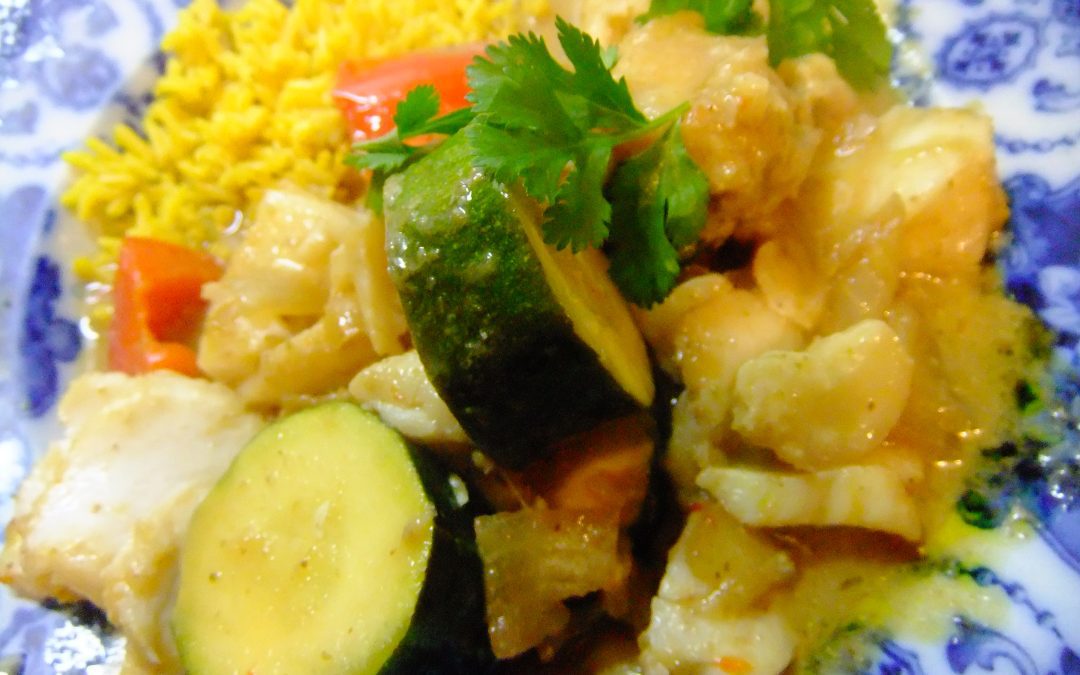
This is a basic weekday dinner curry which we love. Its just the thing for a cold, wintery night. It might seem like there are a lot of ingredients but if you do a weekly shop and have a few things in your store cupboard you should find it easy. The heat depends on what brand of curry paste you use. Supermarket brands such as Amoy tend to be very mild, whereas the great value tub of curry paste from Asian or Chinese stores are hotter. If you don’t like much heat, use half the amount, you can always add more later. The full fat coconut milk reduces the heat in the curry.
For 2
2 small chicken fillets (about 225g in total), cut across the grain into ½ cm strips
1 large red pepper
1 medium onion
1 carrot (optional)
2 tbs nam pla (Thai fish sauce)
2 medium courgettes
Juice of 1 lime
1 rounded tbs Thai green curry paste (red or yello will do if you don’t have green)
165 ml can full fat (NOT low fat) coconut milk
Optional: handful of fresh coriander leaves (or you could use basil or Thai basil leaves)
For the rice:
100g/half mug brown basmati rice
275ml/1 mug boiling water
¼ level tsp ground turmeric
Put a large, heavy bottomed pan on a medium heat and to this add your curry paste and the thick part of the tin of coconut milk. Mix to combine and let it cook gently while you put on the rice and prepare the vegetables. If you are not familiar with cooking brown rice, see my blog post on “how to cook brown rice”. When the mixture has sizzled for a few minutes, add the rest of the tin of coconut milk plus 1 tin of water (ideally filtered) from the tap.
Scrape or peel the carrot and slice on the diagonal into pieces about ½ cm thick. Add to the pan. Peel the onion and chop roughly into 2cm cubes, add to the pan. Add the 2 tbs of fish sauce and mix well. Cover and simmer for 10 minutes while you prep the red pepper by removing anything that isn’t red, and cutting into 2cm diamond shapes. Add this to the pan, stir, cover and simmer while you slice the courgettes into 1.5cm disks. Add these to the pan, cover and simmer for another few minutes until the courgette has softened slightly but still holding their shape.
Now add your raw chicken pieces, stirring them gently in to coat with the sauce. Cover and cook for about 5 minutes, stirring from time to time to make sure there are no large lumps of uncooked meat slices. When the meat is opaque, it is cooked.
Add the lime juice and stir gently.
Serve sprinkled with coriander or basil leaves, with the rice to accompany.
Variations:
Use cubes of salmon or any firm white fish (about 300g for 2 people) instead of the chicken. When adding the fish, make sure to coat it in the sauce but try not to stir during the cooking process so it won’t break up. When the flesh is opaque, its cooked (takes about 5 minutes)
For a vegetarian version, use 250 plain non-gmo tofu, cut into 1cm cubes, instead of the meat or fish – these can be added along with the peppers or courgettes.
Use 250g pak choi, sliced in 5cm lengths, instead of the courgettes, and add along with the fish – both only take about 5 minutes to cook in the covered pan.
You could also substitute red or yellow curry paste for the green
Why this is good for you: Herbs and spices such as galangal, chilli, lemongrass and turmeric offer a fantastic health boost. They help your skin by enhancing liver function, their antioxidant qualities delay the ageing process (wrinkles, senior moments!), and they soothe the digestive system. Yes, counter-intuitively, even chillies have anti-inflammatory effects. Orange/red vegetables provide beta carotene to protect eyesight, give you a healthy golden skin colour and can even help clear up acne. Onions are a rich source of soluble fibre that feeds good bacteria in your gut to help mood, digestion and more. Coconut oil contains medium chain triglycerides, a type of fat that your body burns efficiently for energy instead of storing it as fat. Good news if you want to stay lean and trim. The proportions of meat to rice to vegetables in this recipe is optimal, meaning your body can function more efficiently, giving you more energy, better digestion and increased vitality. For optimum health, lunches and dinners contain no more than 25% starchy carbs (brown rice, potatoes, brown pasta etc). Any more and you will be short changing yourself on o veggies, protein or healthy fats. Happy 2014!
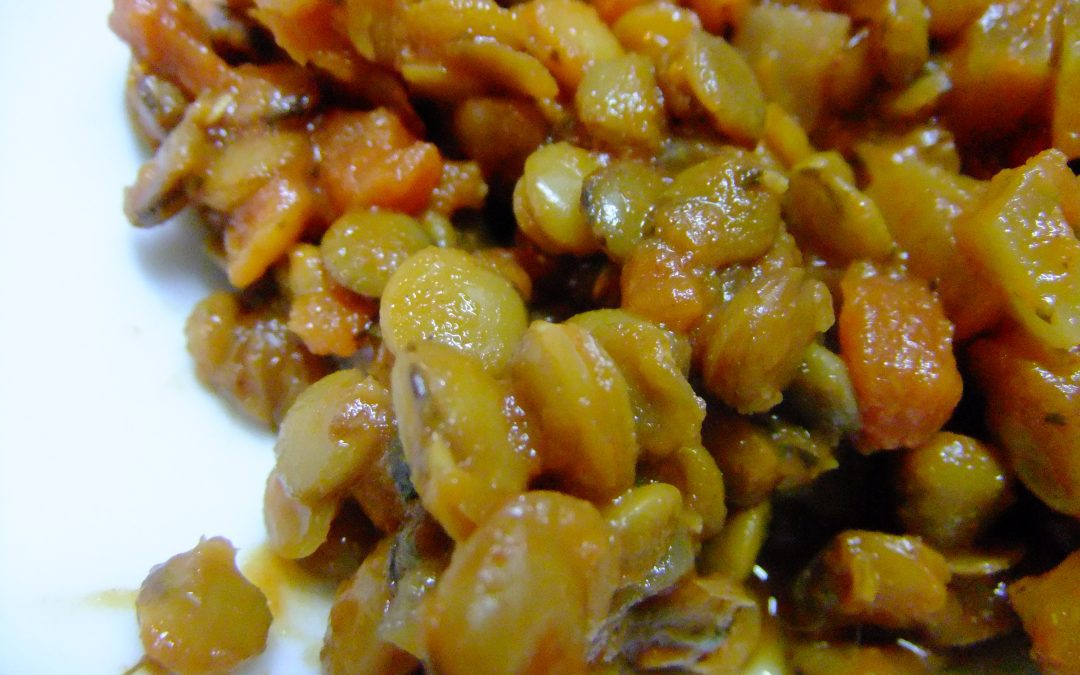
This dish is loved by all who have tried it, including resolute carnivores and children. The alcohol is boiled off 95% during the cooking so the amount that’s left is negligible. Make loads and frieze in batches for delicious, quick pasta dinners. To make this a balanced meal add some broccoli florets into the sauce when its cooked and bubble, covered for a further 5 minutes until done. Alternatively, serve with a green salad.
For 2 (with a little left over)
1 dsp extra virgin olive oil or virgin coconut oil
1 dsp water
1 large onion, peeled and chopped
1 large garlic clove, crushed.
1 heaped teaspoon dried basil
250 ml sieved tomatoes (passata) or ½-1 400g can of chopped tomatoes
125g continental “brown” or “green” lentils
1 tbs tomato puree
275ml dry cider, red wine or unsweetened apple juice.
225ml boiling water
1 gluten-free vegetable stock cube or a level tsp of Kallo/Vecon vegetable bouillon powder and 50ml of boiling water in which to dissolve it
Freshly ground black pepper
150g brown rice/millet spaghetti or pasta shapes, buckwheat pasta, or (if you want to eat gluten, wholewheat spaghetti).
Optional extra (for dairy-eaters): grated parmesan cheese to serve
1. Put the onions, oil and dessertspoonful water in a large heavy bottomed saucepan, cover and sweat on a medium heat until the onions are softened but not brown.
2. Add the garlic, basil, tomatoes, lentils, tomato puree, wine/cider and 200ml of boiling water.
3. Bring to the boil, cover with a lid, and bubble for around 25-33 minutes until the lentils are tender.
4. Now make up the veg stock cubs or veg bouillon powder with 50ml of boiling water and add to the pot, stirring well to combine. It’s important NOT to add the stock cube/bouillon until the lentils are tender as the salt content would delay cooking of the lentils and make them leathery.
5. Season with pepper and serve with the pasta.
Why this is good for you: Lentils are high in soluble fibre which feeds beneficial bacteria in the gut which help prevent digestive problems such as constipation, diarrhoea. Lentils contain protein which helps balance your blood sugar and stabilise energy too. It’s important to boil lentils for at least 15 minutes, to make them digestible. Lentils are rich in magnesium. People who are short of magnesium are more likely to feel stress, insomnia or suffer from poor skin or digestive issues. Sugar, excessive salt, alcohol, stress, white flour and coffee deplete magnesium. Increasing the lentil sauce, having some green veg on the side, and decreasing the pasta quantities means you are getting a higher amount of protein and nutrients than people normally do in a pasta meal.
Wheat binds (inactivates) N-acetyl glucosamine, a substances important for day-to-day repair and maintenance of your intestines. That’s why its not always the best choice of pasta type (buckwheat, rice and millet make better quality pastas). Wheat also binds (inactivates) iron in your food, making it difficult to absorb. (2019 note: recent research and filming of the inside of healthy intestine during gluten exposure shows that gluten damages the barrier which prevents undigested food and bacterial by-products from entering your bloodstream. Yes thats correct, gluten causes transient gut damage for ALL people, not just those sensitive to gluten). Focusing instead on other grains like oats, brown rice and millet gives your digestive system a break. A cheaper alternative to non-wheat pasta is quinoa grains or whole millet grains, which I show you how to cook in my post on millet. Even reducing wheat to once in your day could still make a fantastic difference to your vitality.