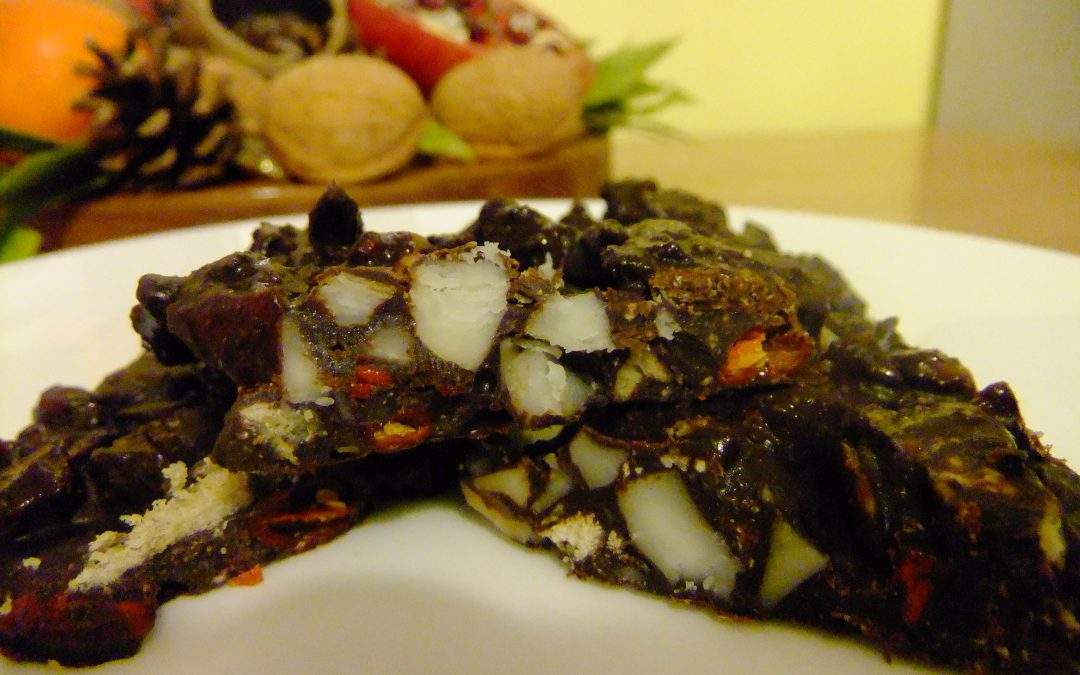
I love this and so does everyone that tries it. It’s a really useful recipe: make a batch, cut or roughly break it up and keep it in the freezer. It can be served from frozen, which makes it wonderfully chewy and a little like a chocolate ice cream bar, and is a brilliant standby for when you have unexpected guests. It may taste decadent, but the ingredients are all very nutritious, the dark chocolate included. This recipe comes from Patrick Holford’s The 10 Secrets of 100% Health Cookbook.
Serves 10
200g dark chocolate, minimum 70% and ideally 85% cocoa solids, broken in to chunks
125g rough unsweetened gluten-free oatcakes (or normal unsweetened Nairn’s rough oatcakes if you are not gluten-sensitive)
50g goji berries
50g Brazil nuts, roughly chopped
50g pumpkin seeds
4 tsp ground mixed seeds (grind your own blend of flax, sesame, sunflower and pumpkin or use Linwoods milled mixed seeds)
2 heaped tsp ground cinnamon
50g hazelnut butter or unsalted no-added-sugar peanut butter – or make your own by grinding the raw nuts finely and mixing in a little extra virgin nut seed or avocado oil (or at a pinch, light olive oil) to make into a spreadable paste.
1. Melt the chocolate, stirring occasionally, in a heatproof bowl over a pan of gently simmering water, making sure the base of the bowl doesn’t touch the water.
2. Put the oatcakes into a mixing bowl and crumble into small pieces. Stir in the goji berries, nuts, seeds and spices.
3. Stir the nut butter into the melted chocolate and mix until fairly smooth. Stir the chocolate mixture into the remaining ingredients, making sure the ingredients are evenly coated.
4. Spread the mixture over a baking sheet and put in the fridge or freezer to chill and harden. Break into shards or cut into rough pieces when set, ready to serve.
Why this is good for you: These crunchies are packed with raw nuts and seeds, a precious source of raw omega 6 oils. These oils are important for healthy skin, digestion, energy, mood and immunity. Most people have lots of cooked or refined omega 6 oils in their diets and these interfere with your body’s ability to use the good (raw) ones. Raw nuts and seeds and good quality (over 70%) dark chocolate are a good source of magnesium. Magnesium helps you feel chilled out and happy. It also helps your liver function more effectively. Good news after the Christmas excess…
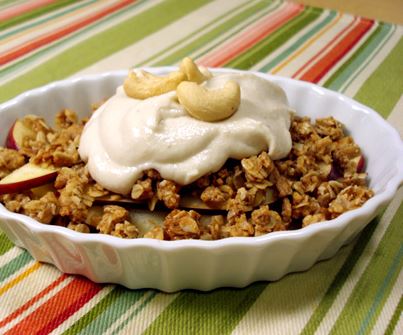
I love this with Christmas pud or mince pies. This is a brilliant substitute for dairy cream and is naturally sweet. You want a mini food processor or a spice/coffee grinder to make this easily. I think these 2 gadgets are the best pieces of kit you can get for your kitchen if you want to eat lots of easy-to-prepare interesting and healthy food. Alternatively a mortar and pestle and a lot of effort would work. This “cream” keeps for at least 3 days in the fridge, covered. If it dries out a bit, just add a little water and mix well to smooth it out.
3 servings
½ cup unsalted unroasted cashew nuts
1 cup filtered water
A few drops of vanilla extract
Grinder or pestle-and-mortar method (for an even smoother consistency):
Do not soak the cashews but grind finely, then beat in the water and vanilla essence with a whisk.
If you want it thinner add more water, thicker add more ground nuts.
Mini food processor method:
Soak cashew nuts overnight in the cup of filtered water
Blitz all ingredients in a miniature food processor until it reaches a creamy consistency. Add more water to thin if you like.
Tip: You can make a similar “cream” using soaked and peeled almonds.
Why this is good for you: Cashew nuts contain some protein and beneficial fats which help balance blood sugar, reducing the tendency to binge eat.. This is particularly great if you are serving with mince pies, plum pud or other high carb foods. Cashews are also rich in magnesium, which helps keep mood chilled, spirits high, blood pressure normal and much much more. People need lots of magnesium-rich foods at Christmas, when alcohol, white flour and sugar deplete this nutrient.
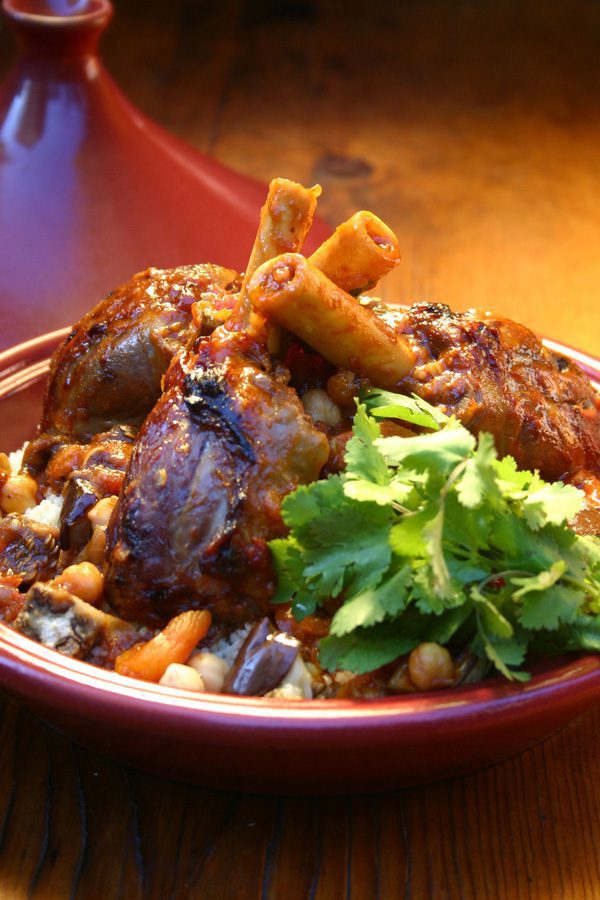
I love this because you just put everything in the pot, turn on the heat and cook for 3 hours while you potter about. This Moroccan stew was traditionally made by working men in Marrakech who did not have anybody at home to cook for them while out all day. Everything went into a tall earthenware jar which was then topped with paper and tied with string and given a good shake to mix. The whole jar would be brought to the Hamam (public steam baths) before work, to be collected, ready to eat, in the evening. This recipe was shown to us by Sidi Mahommad in Marrakech – the only changes I have made are in adding onions and potatoes. If you are doing a ketogenic eating plan or wanting to lose weight simply omit anything that contains lots of carbohydrate (millet, potatoes, chickpeas) and serve with more green veggies.
For 4
4 lamb shanks, 500g of large chunky lean beef or lamb pieces or 4 large lamb gigot chops
2 heaped teaspoons ras el hanout*
2 teaspoons of ground cumin
3 large garlic cloves, peeled and roughly cut up in quarters
1 small or half a large preserved lemon*, rinsed and divided into 8 pieces (these are available from Halal shops and Asian store). Alternatively use the quartered skin of half an unwaxed, organic lemon – it won’t have the distinctive Morrocan flavour though
450g bag small onions or shallots, peeled
Fresh coriander leaves to garnish, if you have them.
Optional: 450g/2 large floury potatoes, peeled and halved
*You can make your own spice blend and preserved lemons by checking out the recipes for them on this blog.
1. Take a large heavy-bottomed saucepan or top-of-the-stove casserole dish with a lid and in it place lamb, spices, garlic, onions, potatoes and enough cold water so it covers the meat and veg by about 4cm.
2. Put the lid on and swill around gently to coat everything in the spices.
3. Simmer gently for 3 hours on the top of the stove
4. Garnish with lots of fresh coriander leaves if you have some. It’s still great without!
Serve with:
500g runner or green beans – either steamed or else cooked on top of the simmering tagine for 15 mins or so until tender.
Variations:
Leave out the potato and instead serve with freshly cooked millet grain. (Cook 1 mug millet with 2 mugs of boiling water – it takes about 10 mins. If you fluff it up with a fork after cooking it should look quite like couscous). Garnished with a drizzle of olive oil and a sprinkling of ground paprika, it works brilliantly with most tagines.
Instead of potatoes, add two mugfuls of chickpeas (soak 1 mugful overnight and boil rapidly for 15 mins first) to the meat at the beginning of cooking. That way they will take up a great flavour. Otherwise just add 2 tins of rinsed drained chickpeas to the tagine for the last 15 minutes of cooking.
Shortcut:
If you cant get preserved lemons then use unwaxed ORGANIC lemons – the peel of fruit has a lot of pesticides unless organic. It wont be exactly the same but still gives a good flavour.
Why this is good for you: Stewing rather than browning your meat means it keeps its nutritional value. Browning any food leads to oxidation which damages the meat, and your body when you eat it. Avoiding browned foods helps you keepy our digestive system in tip top shape and delays skin (and other!) ageing. Spices are powerful antioxidants and it is more useful to have a wide variety of them than to focus narrowly on just one or two. Ras el hanout gives you a good range of vitality-boosting antioxidants. If you use cuts of meat that include bones these will fortify the broth with collagenous substances. This supports the essential daily repairs and maintenance of your gut (digestive system). Great news if you are trying to heal gastritis, ulcers, food intolerances or indeed almost any digestive disorder where the lining of your gut is inflamed or damaged.
This is a delicious, short, sweetish pastry. I used it to make mince pies this week and they were fantastic. Your have to be careful though that they don’t burn. Placing a baking sheet above the pies on the next shelf of the oven (about an inch above the top of the pies) is the best way to prevent burning. The crust will be quite thick as its tricky to roll out without breaking. If you have a food processor, use it to make the pastry. It’s a doddle!
Makes 9 mince pies, with covers
100g finely ground almonds (or raw hazelnuts instead, ground finely in your spice grinder or mini food processor)
65g gluten-free oat flour from health stores (or make your own in a food processor/grinder using GF oatflakes). If you’re not coeliac or gluten-sensitive, normal oat flour is fine.
A little extra oat flour or brown rice flour for rolling out the pastry
1 level teaspoon xanthan gum
25g virgin coconut oil
1 dsp virgin macadamia oil or light olive oil
1 level dsp honey (use a hot spoon and a knife to measure)
1½ – 2 tbs iced water
Patty tin
A metal baking sheet
Pastry cutters, ideally a 7.5cm circular one and a star shape (or 5.5cm circular one)
A jar of my home-made mincemeat (recipe posted separately)
Combine ground almonds, xanthan gum and oat flour and mix well. Rub in the coconut oil (you can do this in a food processor if you want) until the mix looks like breadcrumbs. Add the macadamia/light olive oil, the honey, and the iced water and blend again.
Roll out the pastry on a board floured with rice or GF oat flour.
Grease your patty tins with a little coconut oil. Cut out pastry circles to fit and line the tins with these.
Add about a heaped tsp mincemeat (or a little more) per pie. Press together and roll out the pastry remnants. Cut out smaller circles or star shapes and top the pies with these. There’s no need to seal the edges, just press the tops down lightly to flatten a little.
Bake at 200C/185C fan with a metal baking sheet placed just above the pies, on the next rack of the oven, for about 15 minutes. The baking sheet above the pies reduces burning. If they are getting too brown, remove from the oven, otherwise leave in for another 5 minutes.
If you choose to use my crumble topping for mince pies instead of using pastry covers, bake at 180c/165 fan oven so the almond flakes dont burn.
Why this is better for you: So what’s the difference between oats and gluten-free oats? Oats are usually contaminated with gluten grains like wheat and barley because they are harvested in the same hoppers and crops may be rotated. Gluten-free oats are grown and harvested completely seperately from gluten grains. They are batch tested for purity and that’s why they can be certified gluten-free.
The pastry in these pies uses mostly healthy oils that are good for health and vitality. Coconut oil in particular, is safe, even when heated to 200C. That means it won’t contribute to excessive ageing, skin breakouts, or weight gain. The special fats (medium chain triglycerides) contained in coconut oil are burned directly by your body instead of being stored as fat. Good news for Christmas waistlines! Oats are of course a wholegrain and are rich in chromium and fibre. This, and the protein content of the almonds, helps regulate blood sugar levels, keeping your mood and energy more stable. Almonds contain magnesium which is important for a happy, stress-free mood. That said, cooking any nuts or ground nuts damages their healthy oils so this is not an everyday recipe, but a occasional treat recipe.
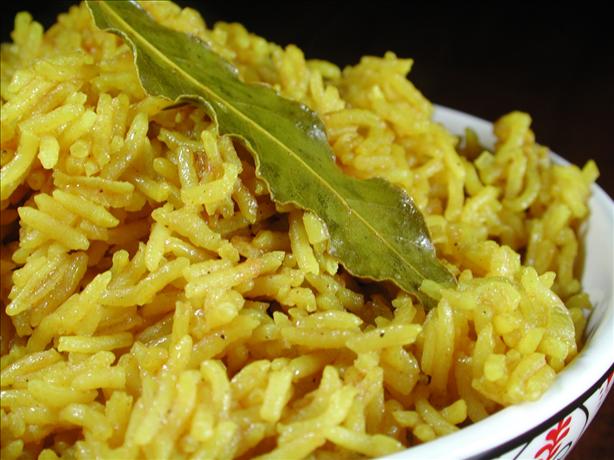
This is a really easy reliable way to cook brown rice so it’s perfect every time. Here I use turmeric to give the rice a golden colour, meaning that you’re less likely to get objections if you are feeding fussy children (or partners) brown rice for the first time.
For 2 people (with protein and at least 2 servings of veg to accompany)
100g/half a mug of brown long grain rice or brown basmati (organic if possible)
275ml/1 mug boiling water
1/4 level teaspoon turmeric powder
Measure out your rice into a small saucepan with a lid. Add the turmeric and boiling water, cover with the lid and bring to the boil on a medium heat. You want the whole thing to boil gently until cooked. DO NOT STIR.
When the rice is done it will have soaked up all the water. This takes about 25 minutes for long grain and about 20 for basmati. Cooking times do vary depending on the hardness of your water. Adding salt or (salt-containing) stock cubes increases the cooking time. This is because salt lowers the boiling temperature of water, making it boil at less than 100C.
When the rice is done, you can keep it warm for up to 20 minutes by simply taking off the heat and wrapping the whole saucepan in a towel. This will also help everything become more fluffy.Why this is better for you: Brown rice contains more vitamins, minerals and fibre than white. This is because the outer layer of the grain contains most of the nutrients whereas the inside of the grain is composed mostly of (natural) sugars. When you eat a wholegrain, like brown rice, it comes with the vitamins and minerals needed for your body to benefit from it. By contrast, white rice is stripped of the nutrients your body needs to process it. The body takes vitamins and minerals from elsewhere, to help it deal with the nutrient-poor white rice. Let’s look at magnesium. This mineral is needed for good digestion, skin, mood and more. Deficiency can make you very stressed. 100 grams of cooked brown rice (about a cup) contains 110mg of magnesium whereas 100g of cooked white rice contains 11mg.