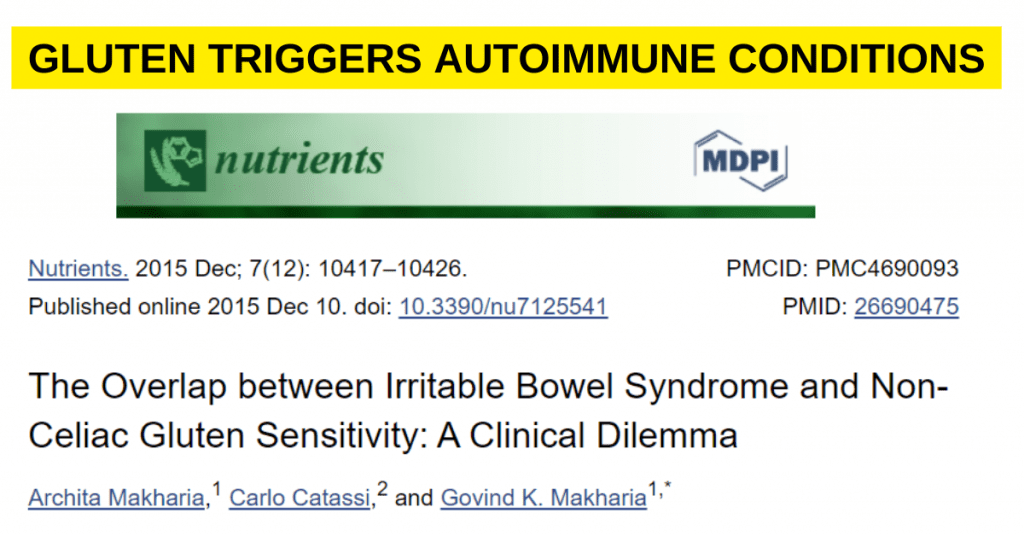
A clinical trial with IBS patients showed that implementing a gluten-free diet for 12 weeks resulted in significant improvement in symptoms.
Might YOU be gluten-sensitive and not know it? Find out the latest techniques and tests.
Makharia et al. The Overlap between Irritable Bowel Syndrome and Non-Celiac Gluten Sensitivity: A Clinical Dilemma. Nutrients. 2015 Dec; 7(12): 10417–10426.
Non-coeliac gluten sensitivity is on the rise. This is where your immune system over-reacts to a class of proteins collectively called gluten and causes symptoms anywhere in your body.
But is implementing a gluten-free diet really the best thing? Yes and No. If you replace your previously brown bread with a gluten-free sliced pan you may feel better for a little while. But what happens next?
You’ve now lost an important source of fibre. Fibre that fed bacteria critical for digestive health as well as the health of your immune system, your brain, your skin, and more.
You’re now eating more chemical emulsifiers like carboxymethylcellulose added to free-from foods to improve texture. These emulsifiers cause damage to your gut. This damage affects every system in your body.
You are now eating more ultra-processed grains and sugars like cornflour, dextrose, and modified starches. These feed pro-inflammatory and disease-causing bacteria in your gut.
Over time you may develop new, additional food sensitivities because the underlying causes of your initial sensitivity have not been resolved.
Sometimes the underlying causes of food sensitivity are very simple. With the right knowledge, you can learn to support your body’s journey back to magnificent health.
Plants contain biological toxins called polyphenols or bioflavonoids. Polyphenols are natural substances in fruit, vegetable herbs, and spices. Polyphenols help the plant deter infections (bacteria, viruses, moulds) and deter predators (insects, animals, and us!). Many plants with high polyphenol content have strong flavours that insects don’t like.
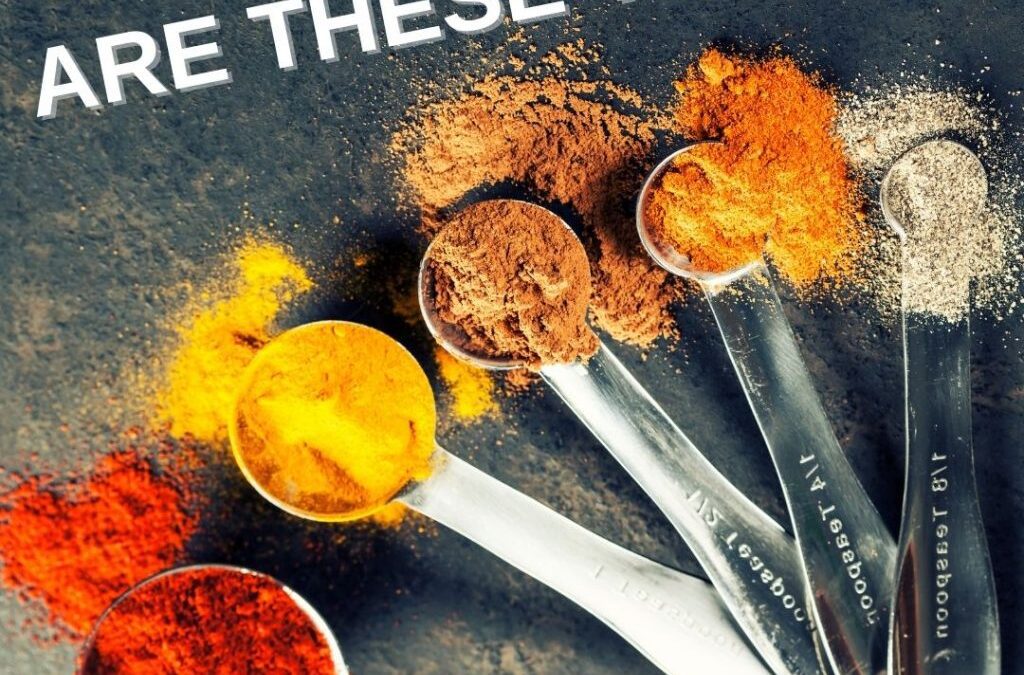
Examples of polyphenols include quercetin in apple skins and red onions, curcumin in turmeric, gingerol in ginger, and carotenoids in red/orange fruit and vegetables.
When you eat polyphenols they stimulate your body to strengthen its own defences and upregulate healing activities. A polyphenol-rich eating style helps calm and heal your whole gut. This is critically important if you want to get to grips with any digestive, skin, or immune issues including food sensitivities. Amazingly, many spices people with gut issues are afraid to eat are supremely anti-inflammatory and healing!
Autoimmune conditions e.g. psoriasis, hypothyroidism, ulcerative colitis, Crohn’s
Digestive issues
Food sensitivities or allergies
If your vitamin D is below 100 nmol/L you don’t have enough.
More common signs can include back pain, fatigue, low mood, infections more than once a year, excessive sweating, dry skin, mood issues, high blood pressure, and joint pain.
Did you know that some common foods damage and inflame your gut, prolonging your struggles with IBS?
Refined products. These are “are food artifacts”. That is they’re not really food at all, only calories. Let’s take sugar. It comes from sugar cane which in nature contains nutrients like chromium and B vitamins. These nutrients helped the body cope with the natural sugars in there. Take sugar cane to the factory, get rid of the fibre and nutrients and you’re left with table sugar. White or brown it’s still depleted in nutrients. Your body has to draw nutrients away from other important functions to metabolise the sugar. Functions like keeping your mind calm (B vitamins and magnesium), or bowel healthy (folate, zinc, selenium, vitamin C) may suffer. Refined prsoducts feed pro-inflammatory bacteria in your gut. Refined foods include most wheat, pasta and sweet products as well as ready meals and things in packets with long lists of ingredients.
Gluten. Gluten is a collection of proteins found in grains like wheat, spelt, rye and barley. Humans can’t properly digest gluten so traditional ways of preparing grains like wheat evolved. Sourdough fermentation removes over 99% of the gluten from grains. This is why many people notice sourdough bread is easier on their system than yeast or soda bread. I ask all patients with digestive issues to lighten the gluten load by doing some very simple swaps in how they shop. Beware though, many “gluten-free” products are highly refined and can make matters worse!
Low-calorie or sugar-free products. These will often contain aspartame, saccharin, or sucralose. These chemicals alter your gut bacteria in favour of the “bad guys” that inflame you and prevent normal digestion.
It’s amazing how even a few simple changes can impact how you feel…
Book your FREE quarter-hour discovery call by phoning + 353 87 981666 NOW or emailing anna@annacollins.ie