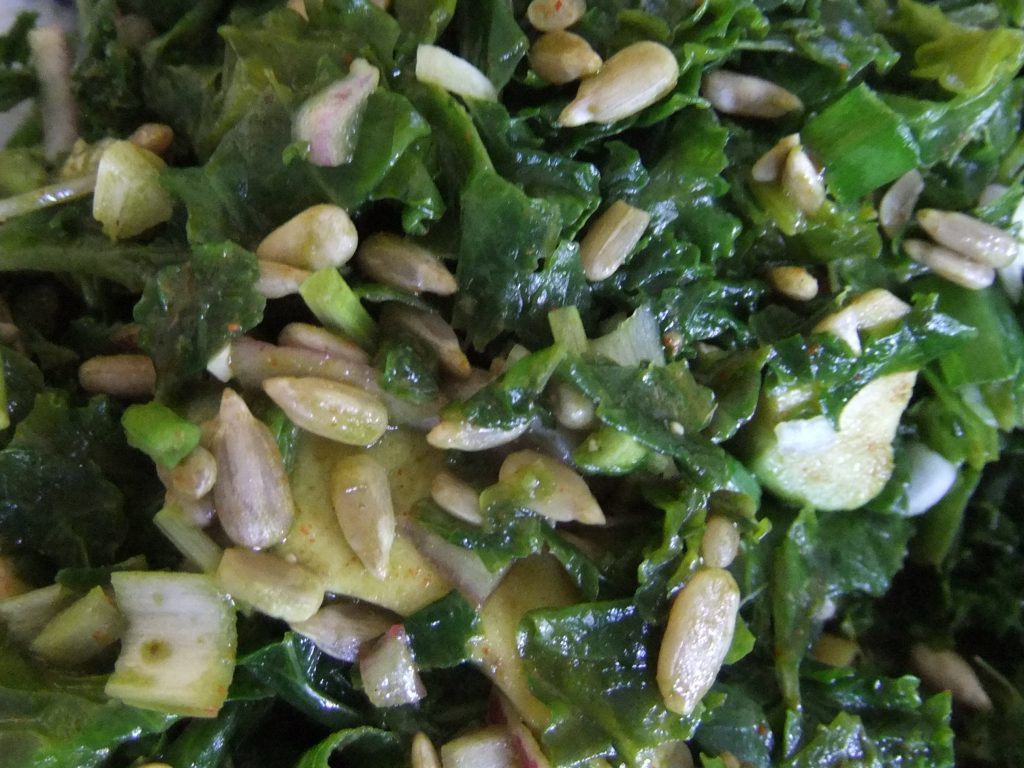
This is a very quick and easy uncooked vegetable dish which I really like. With some protein like fish, meat, a frittata/omelette or a bean salad it provides a balanced meal. Unless you have tons of energy to pound away for ages with your hands, make this recipe using smallish sprigs of young kale (April-June) – it’s much easier to work. As you might have noticed I’ve got a bit of a green theme going on this month. The power of vegetables to lift your wellbeing is big in food research right now (see my May 2014 newsletter). In my opinion, eating lots of green stuff is one of the most useful things you can do to help your body and your mind.
For 2-3 people:
1 bag tender young organic kale
1-2 tablespoons extra virgin olive oil
½-1 ripe avocado
Cayenne pepper to taste
1 1/2 tbs sunflower seeds (or pumpkin seeds, chopped Brazil nuts or hazelnuts)
Lemon or lime juice to taste
1/2 tsp paprika, or to taste
1 tbs finely sliced or chopped spring onions or red onion (if you can eat cooked onions but not raw ones, try soaking the sliced/chopped onion in the lemon or lime juice for 15 minutes – it totally takes the heat out!)
Remove any stalks from the washed kale and place in a large bowl.
Kneed, pound and squish the kale with your hands for around 5 minutes until it is wilted (you might like to use rubber gloves for this as the juice can stain your nails).
Add the avocado and mix it into the mixture, mashing as you do so.
Add all the other ingredients and serve.
Serve with:
Baked or grilled, roast or poached fish or chicken, a frittata or omelette or a beany salad
Why this is good for you: Kale is high in folic acid which helps your body carry out the daily repair and maintenance on your stomach and intestines. Kale, like all dark green veg, is rich in magnesium which is needed to relax your mind and get a good nights sleep. Magnesium also helps keep your skin in good condition by supporting your liver to clear toxins out of the body. Things like psoriasis or acne are usually a sign of poor liver function. Avocados and raw olive oil are rich in vitamin E which moisturises your skin (and everything else) from within. the reason I suggest using organic kale is that like baby spinach, “conventional” kale is in the top 3 most agri-chemical contaminated fresh produce.
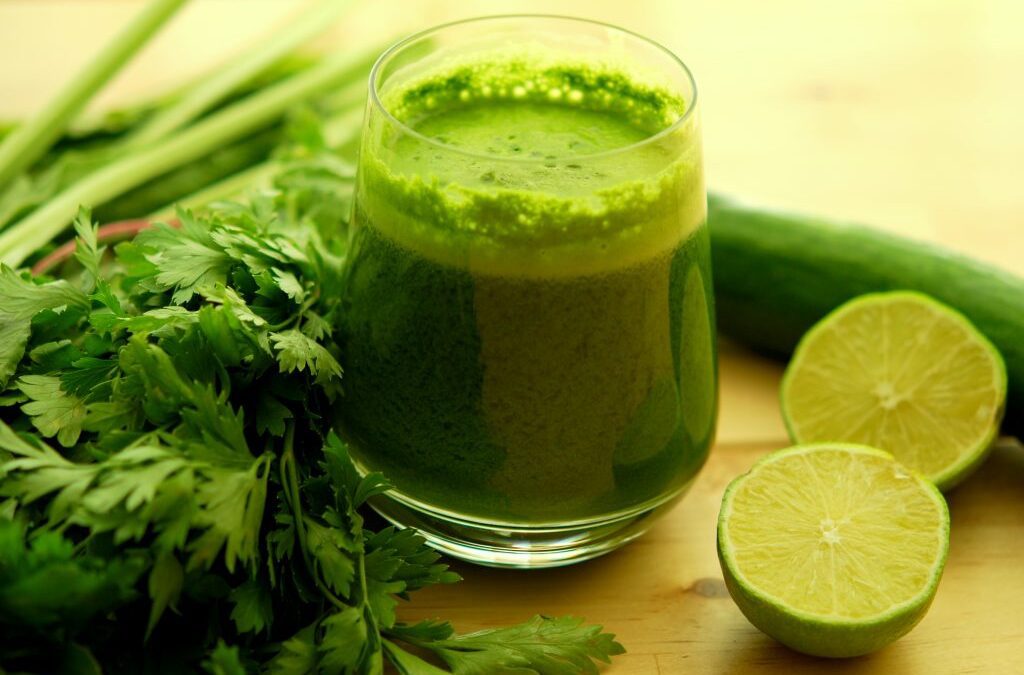
This is my absolute favourite juice of the moment. You need a masticating juicer like the Samson from www.juicers.ie for juicing leafy greens. If you can get organic produce (especially spinach) so much the better. Non-organic spinach is one of top 3 most agri-chemical contaminated produce so its best avoided unless organic.
For 1 approximately 250ml serving
1/2 cucumber, including skin
3cm peeled ginger root
2 celery sticks
3 kale leaves (optional)
Large handful baby spinach or green cabbage leaves (cabbage is great for healing your gut)
Juice 1/2 lime or 1 dsp fresh lemon juice
Optional (for sweetness): 1 small apple, skin and all
Optional (for sweetness): A few drops of stevia to taste (see my “larder & shopping” section on this blog) to sweeten
Why this recipe is good for you: Because its contains ginger, lemon/lime and lots of magnesium-rich chlorophyll (greens) this will turbo charge your liver and aid detoxification. The natural enzymes in the raw, fresh juice aid digestion and help reduce inflammation in your digestive system, joints and more. Green vegetable based juices are much more beneficial than fruit juices because they are lower in sugars. Massive amounts of sugars (even from natural sources like fruit) slow liver function and aren’t conducive to 100% health. Refined sugars are more problematic still. Did you know that your thymus glads production of T-cells to fight infection is significantly lowered every time you eat sugar. A peer-reviewed study showed this. No wonder so many people get sick after Christmas, Easter and other sugury feasts that go on for days!
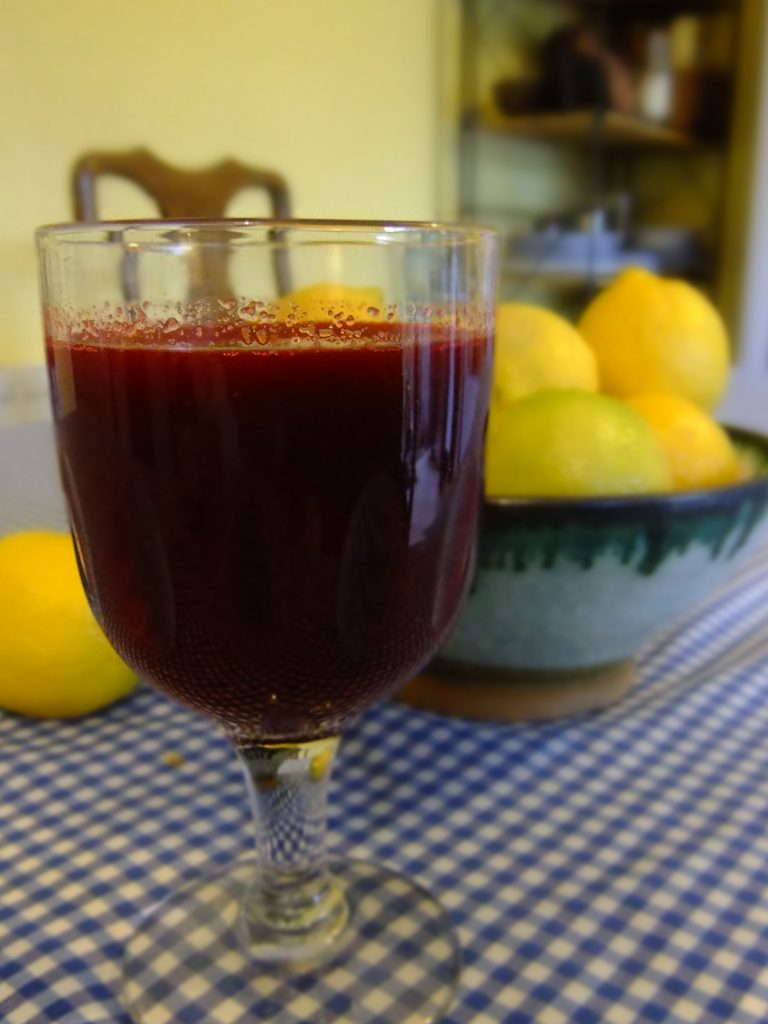
I sometimes also call this Dracula juice in order to get kids to try it. For first time vegetable juice tasters, I usually add apple juice (and less beetroot) to make it taste a little more familiar, though its pretty sweet anyway. If you want to make a big batch and have some for the next day, just store in an airtight jar in the fridge, adding a generous squeeze of fresh lemon juice. The potent antioxidants in the lemon juice keep the juice fresher longer.
Using a masticating juicer like the Samson single auger juicer retains more nutrients but you will still get a decent juice from an ordinary rotary juicer (the type that spins and grates instead of gently crushing).
Do have this juice with some protein. Otherwise the hit of sugars (natural sugars in the root veg) causes spikes in blood sugar which are bad news if you want to look and feel your best.
To make about 350ml juice (2 servings)
5 medium/large carrots (about 500-600g in all)
1 small beetroot
2-3 sticks of celery, with leaves
2-3cm knob of ginger, peeled
Optional: generous squeeze of lemon juice, to taste
Juice ingredients
Why this is good for you Carrots are rich in beta carotene, which gives your skin a natural golden glow and helps prevent acne and other skin problems. It’s also an important antioxidant for your liver and immune system. Beetroot is rich in betaine, chromium and iron. These also help your liver clear the many toxins it has to metabolise every day to keep you well. Ginger is a natural anti-inflammatory, anti-infection spice that soothes your digestive system too. The vegetables are rich in potassium, which helps your natural thyroid hormone action at cellular level. This is one of the reasons why eating a veggie rich diet helps you feel more energetic, cheerful, and motivated as well as helping your hair. Yes, your hair can thin if you don’t feed yourself potassium-rich foods (veg) to help your thyroid keep hair thick and strong. Like fruit, this juice is high in natural sugars so is best with a protein-containing meal or snack so it doesn’t cause erratic blood sugar levels. Erratic blood sugar levels can cause peaks and dips in energy and mood.
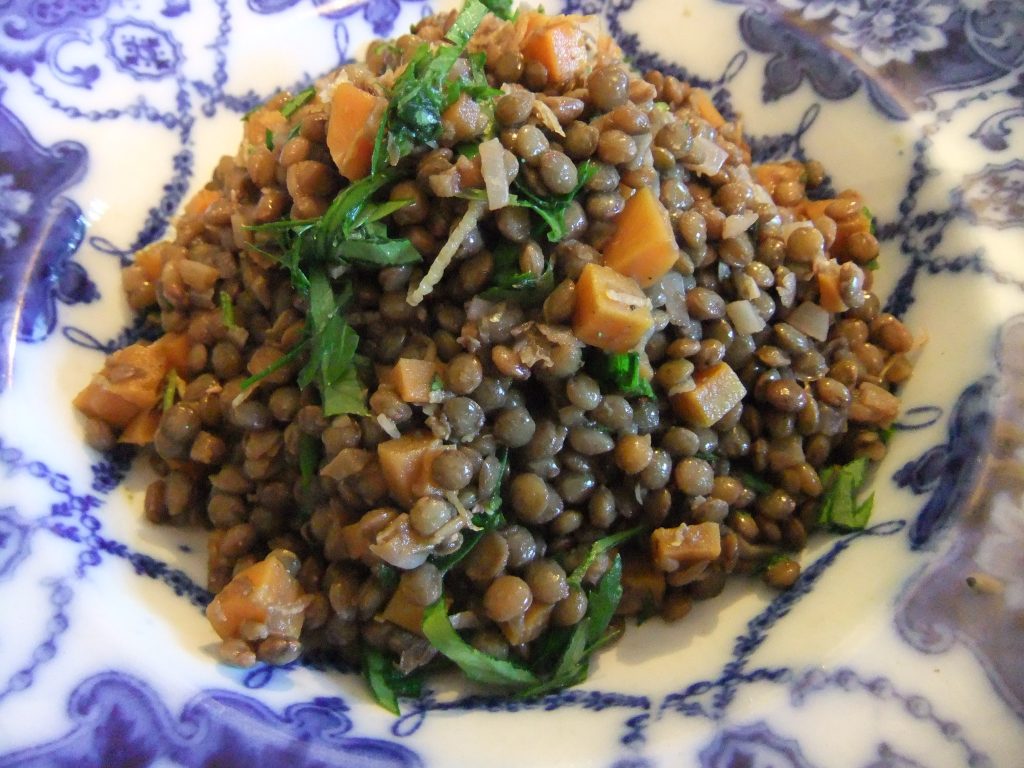
Now the weather is lovely, my thoughts turn to all those things I can make in advance to graze on over the weekend, or for weekday lunchboxes. The colours of the lemon zest, herbs, carrots and red peppers stand out like jewels against the earthy tones of the lentils. This makes a great main course alongside a large mixed salad and maybe sometimes starchy, like a steamed sliced sweet potato, or some quinoa anointed with pesto. You could also use this as a starter, or instead of potatoes/rice with some grilled/roast white fish or chicken. Good when trying to feed vegetarians and carnivores a the same meal!
For a quick weekday version of this classic French salad: Just cook the lentils and carrot with a bay leaf, drain and add a generous splash of balsamic vinegar, a little olive oil and lots of black pepper. Good with large multicoloured mixed salad.
Serves 3 as a main course salad, 6 as a starter
200g/1 mugful Puy lentils
1 medium/large carrot, peeled and diced into 1/8”/0.5cm squares
½ a red (or white) onion, finely chopped
1 bay leaf
1 clove garlic
Lemon vinaigrette (see below) or a splash of balsamic vinegar, extra virgin olive oil and lots of black pepper.
If you eat dairy: 50g goat/sheep feta, crumbled (optional)
2 teaspoons mint, chopped
3 tablespoons chopped parsley or coriander
Black pepper to taste
2 medium red peppers (optional i.e. if you are feeling fancy!)
1. Rinse the lentils, cover them generously with clean water and bring them to a boil with the garlic, carrot, onion and bay leaf.
2. Simmer until they are cooked (15-20 ins) but still hold their shape.
3. Drain the lentil mixture and save the liquid for making soups or gravies.
4. While the lentils are cooking prepare the red peppers (if using) by grilling under a hot grill until the skins are charred, then put them in a covered bowl to steam for 10 mins or so, then take off the charred skins with a knife. Do not rinse them under water or the sweet juices will be lost. Slit them open, remove the seeds, and cut into strips or squares.
5. While the lentils are still hot add the feta, vinaigrette, herbs and the red peppers and their juice, if they are ready.
For the Lemon vinaigrette:
Juice and peel of one lemon (ideally organic, or scrubbed very well)
1/2 level tsp paprika
Pinch cayenne pepper
1 clove garlic, crushed
¼ level teaspoon Himalayan or Atlantic sea salt (optional)
6-8 tablespoons extra-virgin olive oil
1. Remove two wide strips of peel from the lemon with a veg peeler and slice them into narrow slivers.
2. Mix all the ingredients well in a bowl or put in a screw top jar and shake well.
Why this is good for you: Lentils are a great source of soluble fibre which feeds good bacteria to help your skin, digestion, mood and immunity. Lentils are a good source of protein instead of meat or fish at a meal so will keep you full for ages. Herbs and spices are antioxidant and help delay the visible signs of ageing (wrinkles, saggy skin, anyone?). Red peppers and carrots are a good source of beta carotene, which helps give your skin a golden glow, even without the aid of the sun, according to British study of university students. Another bonus of this salad is the raw extra virgin olive oil, which gives vitamin E to make your skin (and all your parts!) smooth and moisturised from within.
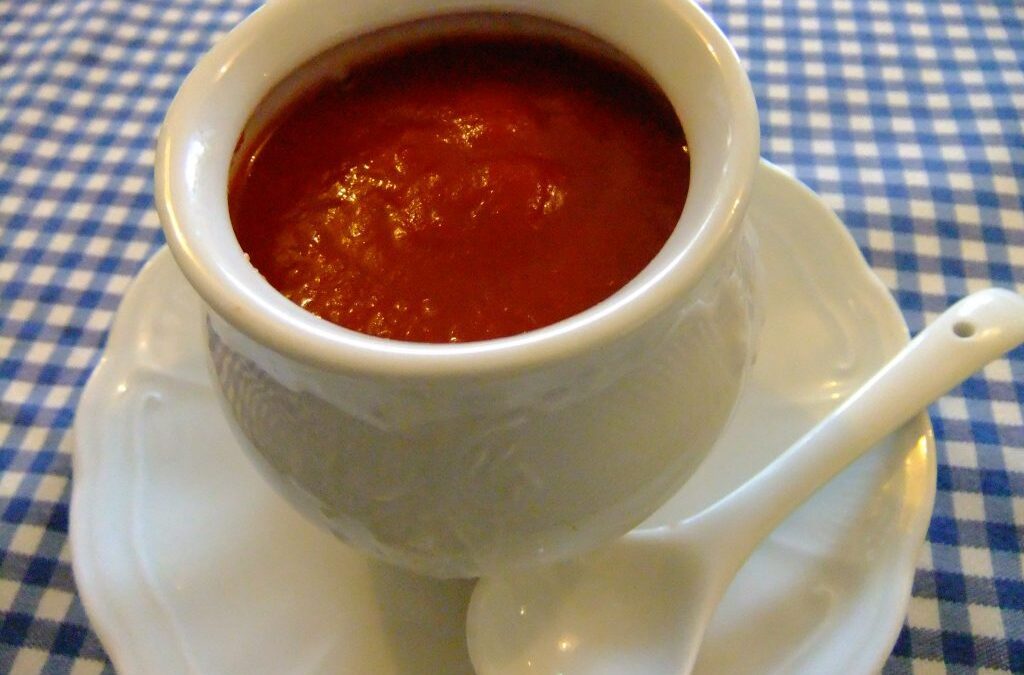
Anyone out there a ketchup-fiend? It’s really easy to make this good-for-you version. I can guarantee it’s as delicious as the normal sugar-laden version as I’ve just tasted it. The recipe comes from Dr Natasha Campbell-McBride’s book “Gut and Psychology Syndrome” that has helped so many children with autism to develop more normally, and live happier, healthier lives. She in turn got the recipe from Elaine Gottshall, who wrote “The Specific Carbohydrate Diet” which has transformed the lives of many people with Crohn’s disease and colitis. FOR AN INSTANT NO-COOK VERSION I SOMETIMES USE TOMATO PUREE INSTEAD OF JUICE/PASSATA (SEE NO 3 BELOW FOR INSTRUCTIONS)
2 cups tomato juice (or 1 1/2 cups passata or sieved tomatoes, which I used as its handier – it gives a grainier texture which I like)
1-3 tbs white vinegar
honey to taste
bay leaf (optional)
Pepper and Atlantic sea salt/Himalayan salt to taste
Mix all the ingredients except the honey and simmer on the stove until thick, stirring often to prevent sticking. when almost the desired thickness, add honey to taste and complete cooking.
Ladle into sterilised jars and seal immediately or place in small containers and freeze.
EXPRESS VERSION: mix tomato puree from a tin with 1 tbs apple cider vinegar, a little honey to taste and away you go – this won’t keep for as long but should last at least 5 days in the fridge.
To sterilise jars and lids, boil in a saucepan with plenty of of water, with a lid on, for at least 15 minutes – don’t put hot food into cold jars, or cold food into hot jars, or they will shatter. For other ways of sterilising jars try this site: http://britishfood.about.com/od/glossary/ht/sterilizingjars.htm
Why this is better for you: Instead of being loaded with refined sugar or additives, this ketchup is sweetened with honey, which is less harmful for people with digestive difficulties. People with damage to their small intestine (like children with autism, people with food intolerances or digestive disorders, or who take non-steroidal anti inflammatories or antibiotics) often cannot digest certain sugars. In particular, disaccharide sugars are a problem for these people, who do not make enough digestive enzymes in their intestines. Eating these types of sugars, which occur in many foods (e.g. sugar, grains, potatoes) causes worsening of symptoms. Unlike refined sugar (a disaccharide), honey contains only simple sugars, which are easy for the body to absorb, even without the aid of a healthy digestive system. For this reason, this ketchup is allowed on the GAPS diet (see book above). The GAPs diet has been used to help people with dyspraxia, ADHD, dyslexia, depression and even schizophrenia.