Apr 12, 2022 | Knowledge Base
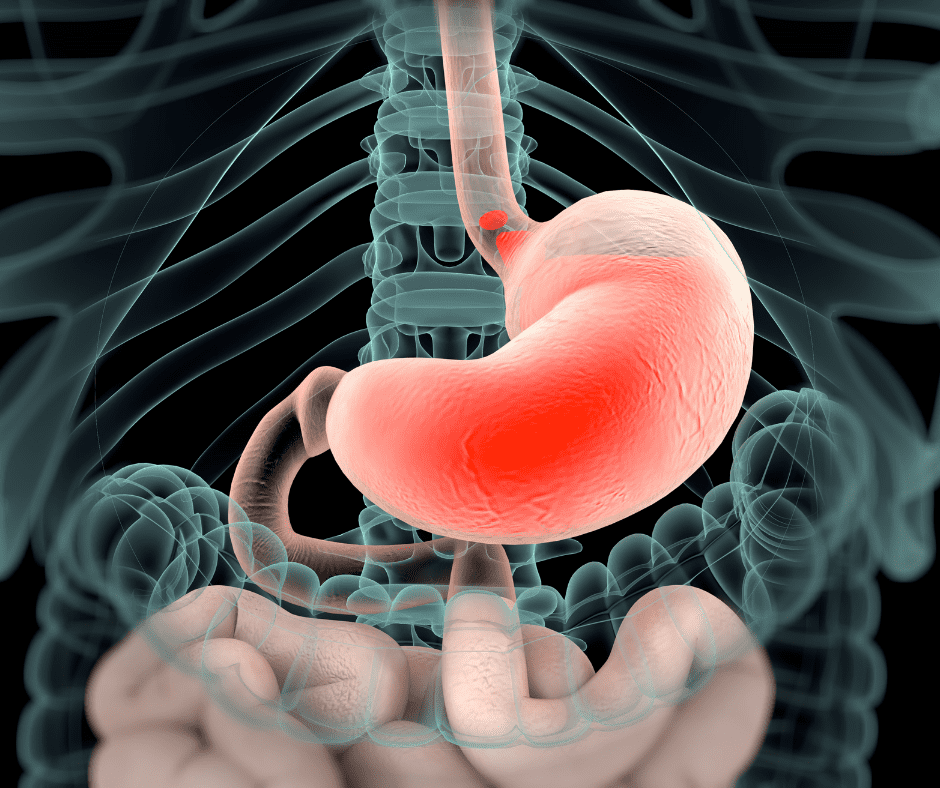
Did you know that at the top of your stomach there’s a valve called the lower oesophageal sphincter? The LOS is there to prevent refluxing of stomach contents back upwards. This valve should be super-strong. If it becomes weak it relaxes and opens at the wrong time. It should only open when you are swallowing. It gets weak for a number of reasons. A lifetime of poor diet, inability to digest and absorb nutrients, or a stress-induced loss of normal healing and repair. If you are not making enough digestive juices in your stomach or if you are overweight this increases pressure on the LOS. If it’s weak as well you know the result – pressure behind your breastbone or burning.
I’ve seen many patients do what needs to be done to get themselves free of heartburn. Want to know more?
Book your FREE quarter-hour discovery call NOW by phoning + 353 87 981666 or emailing anna@annacollins.ie
Apr 5, 2022 | Knowledge Base
If you do any of these it’s a sign your stomach is not able to digest. Your doctor may guess you have too much acid. Is this really the case? Surprisingly, it’s very rare for too much acid to be produced in the stomach. Acid is needed to break down protein you eat into smaller fragments in your stomach. That way, enzymes further down (in your small intestine) can complete digestion. A study published in the prestigious Journal of Gastroenterology shows that inadequate stomach acidity is inversely correlated with acid reflux. What that means in plain English is that the lower the acid in your stomach the worse your symptoms of heartburn. A common issue for people with acid reflux is that the little valve that stops stomach contents from coming back up is weakened. Healing from acid reflux is about you helping strengthen this valve, supporting the healing of your inflamed membranes, and getting your digestion working better.
Read the study here.
Book your FREE quarter hour discovery call by phoning + 353 87 981666 NOW or emailing anna@annacollins.ie
Mar 29, 2022 | Knowledge Base
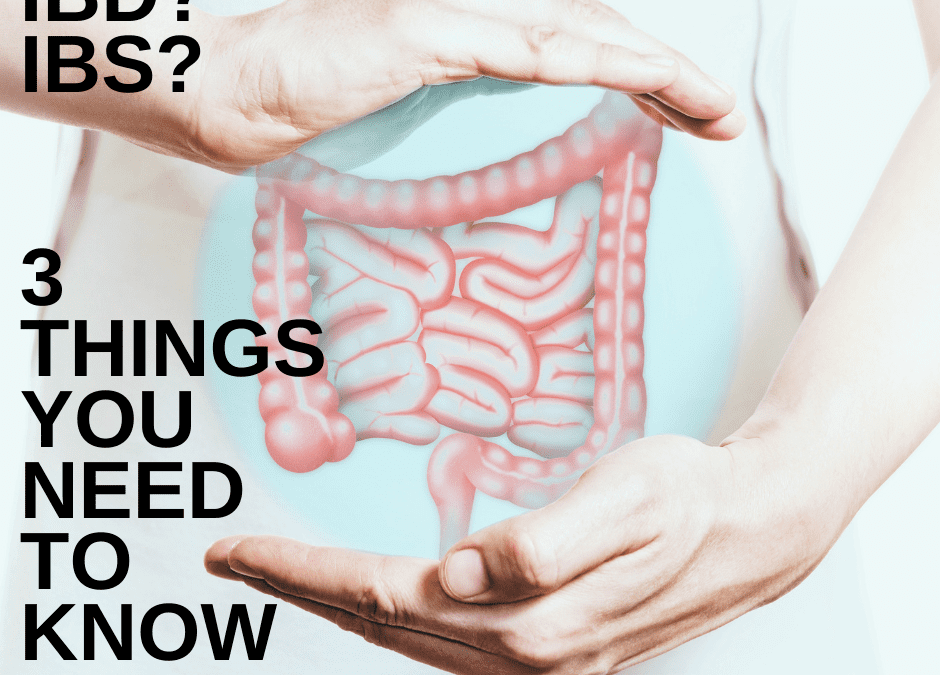
IBS? IBD? Autoimmune issue? Any of those means your small intestine (not just your colon) is damaged and needs some TLC to heal.
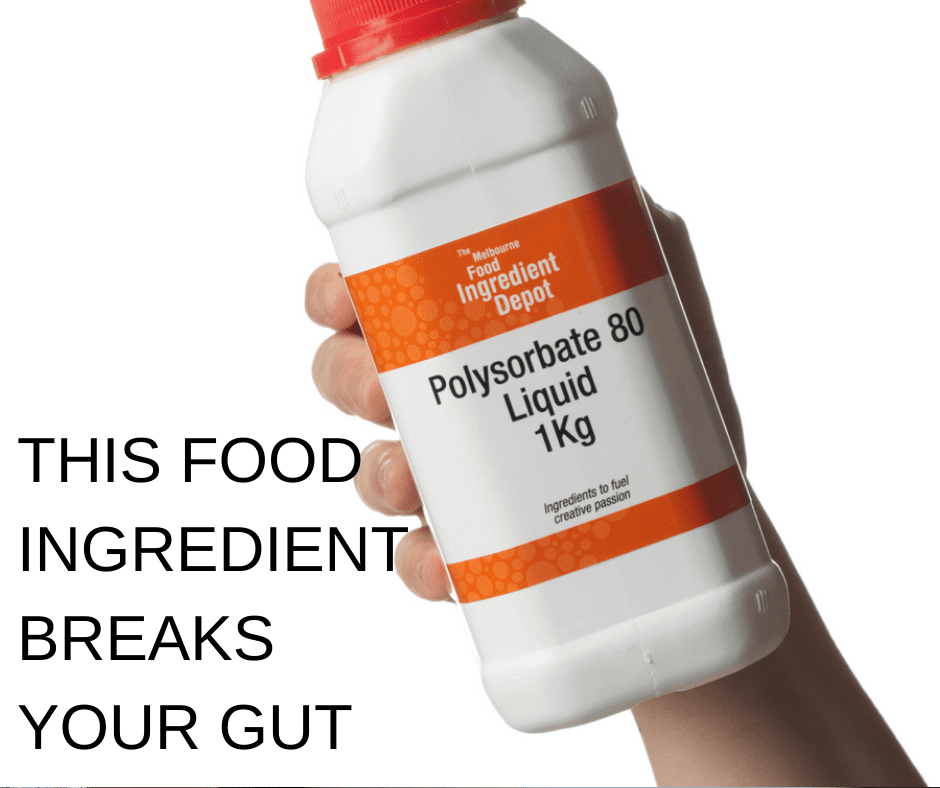
If you eat commercially produced foods the chances are you’re eating polysorbate-80. This industrial emulsifier is a common food additive. It’s even used in laboratory animals to produce inflammatory bowel disease. And yet the food industry claims it’s safe for human consumption. But surprise, surprise it’s highly linked with inflammatory bowel disease in humans.
Book your FREE quarter-hour discovery call by phoning + 353 87 981666 NOW or emailing anna@annacollins.ie
Mar 22, 2022 | Knowledge Base
Vitamin D is a critical vitamin. It’s made in your skin by the action of sunlight on cholesterol.
You are at risk of suboptimal levels if you
Take cholesterol-lowering medications, steroids, laxatives, or certain other meds
Are overweight
Wear sunblock
Don’t regularly get 15 minutes of bright sunlight on your bare skin
Have an impaired vitamin D receptor gene (yes you can do genetic tests for this)
Symptoms can include bone or joint pain, muscle cramps, mood changes, tiredness, being prone to colds/infections, low bone density, psoriasis, digestive troubles, and many cancers.
Your GP can do this simple test for you but make sure you get the result. The “reference range” (what is considered to be normal) is based on what was advised 25 years ago. When I was training in nutritional therapy in the early 90’s we were taught that a minuscule amount of vitamin D was enough. Newer research shows this is far from the truth.
To discuss your vitamin D result with me book your free quarter our discovery call now.
Book your FREE quarter-hour discovery call by phoning + 353 87 981666 NOW or emailing anna@annacollins.ie
Mar 15, 2022 | Knowledge Base
Did you know that chronic stress breaks down the lining of your gut? We’re all designed to withstand short-term stress. A near-miss on the motorway, a challenging meeting, running late. Stress hormones rapidly rise but should normalize quickly after the incident. When your stress hormones are consistently too high that’s when problems start. Your body diverts its energy away from healing, repair, digestion, and immunity. It doesn’t matter if it’s your in-laws winding you up, a never-ending-seeming to-do list, or a real physical emergency. Your body doesn’t distinguish. Non-emergency functions take a back seat.
I know this from personal experience. In 2004 my lovely father had a catastrophic stroke. I was distressed for a very long time. Watching both him and my mother suffer horribly wrenched my heart every day. After 3 months I got a viral infection and spent 8 years ill. I was weakened by my lifestyle and way of thinking before the virus came along. If I were strong, I would have bounced back.
Knowing these 3 things could change your life:
Your food choices affect your stress levels
Certain products rob nutrients needed for resilience
Despite what’s going on in your life you can become more resilient to stress
Book your FREE quarter-hour discovery call by phoning + 353 87 981666 NOW or emailing anna@annacollins.ie
Mar 8, 2022 | Knowledge Base
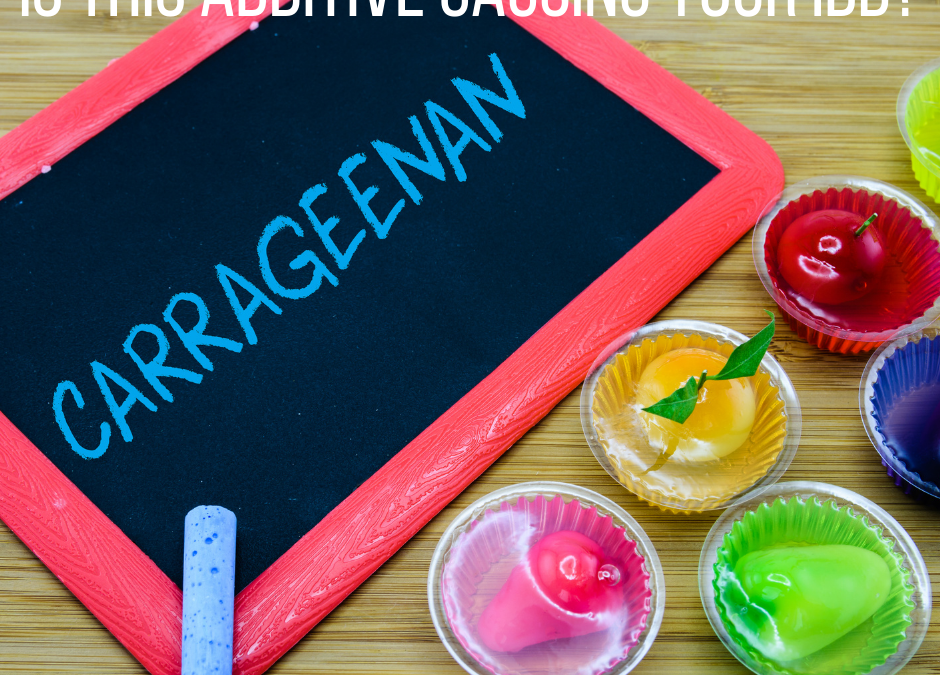
Carrageenan is a thickener used in many ready-made and free-from foods to improve the texture and stop things like yoghurts and plant milks from separating.
A long-standing puzzle is why this “harmless” emulsifier is used to induce gut inflammation in experimental medical research, yet it is also approved as a food additive. Associate professor of Clinical Medicine Joanne Tobacman from the University of Illinois has reviewed the data on this ingredient. Although in experimental research the degraded carrageenan used to produce inflammation was different from the undegraded carrageenan used in foods, there was in fact a marginal to non-existent distinction between types of carrageenan. Her conclusion was that this common additive causes colon inflammation. It causes inflammatory substances to invade your protective gut lining, causing ulcerations and evidence of colitis.
There is evidence to show that our increasing intakes of dietary emulsifiers like carrageenan are partly responsible for the explosion of inflammatory bowel disease. IBD has been steadily increasing in the late 20th century and has doubled worldwide since 2000.
Dr. Tabacman and her team went on to trial a no-carrageenan diet for people in remission from inflammatory bowel disease. They put all patients on a carrageenan-free diet. One group a capsule containing less than an average daily exposure amount of carrageenan. The other group got a placebo capsule with no carrageenan. The results were striking. Half the carrageenan capsule patients relapsed. None of the 100% carrageenan-free group did. Information kindly provided by Dr. Ben Brown writing in IHCAN.
What else might you be eating that’s keeping you ill?
Book your FREE quarter-hour discovery call by phoning + 353 87 981666 NOW or emailing anna@annacollins.ie
Mar 1, 2022 | Knowledge Base
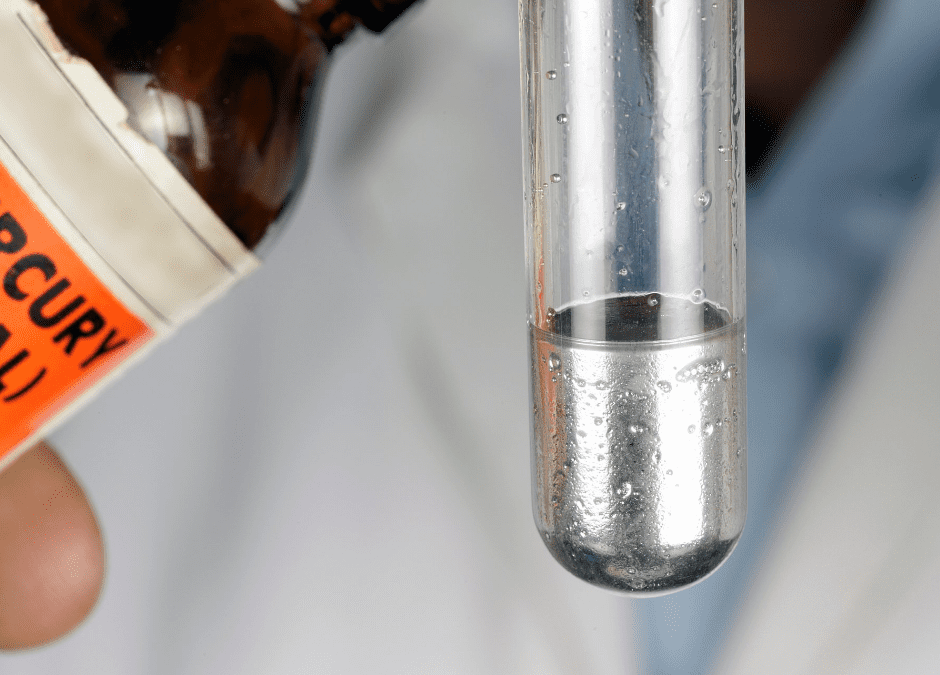
Toxic or “heavy” metals include mercury, lead, arsenic, and a few more. Many studies link high levels of heavy metals with autoimmune diseases, especially autoimmune thyroid conditions. 90% of people with hypothyroidism have autoimmune hypothyroidism. Standard medical tests miss this or get a false negative.
One study even found that women with high mercury exposure were more than twice as likely to have the antibodies found in Hashimoto’s and Graves’ disease. And unfortunately, these chemicals are a lot more common in our environment than most people realise. Mercury can be found in many things dental fillings and fish to vaccines to cosmetics. It can also be in the air as emission from coal-burning plants.
Lead can be found in old paints as well as old water pipes and cheap imported consumer goods. If you cycle on the roads a lot, you might be inhaling lead particles from road paint! The US FDA found traces of lead in over 400 lipsticks in 2012!
Arsenic accumulates in rice if the soil contains arsenic. It can also be in the water.
If you are short of nutrients because of digestive issues or a non-great diet of toxic metals your body will take up heavy metals more readily. This produces more toxic effects.
Book your FREE quarter-hour discovery call by phoning + 353 87 981666 NOW or emailing anna@annacollins.ie
Feb 22, 2022 | Knowledge Base
“Sugar-free” products usually contain zero-calorie sweeteners aspartame, sucralose saccharin. You might think “what’s not to like?” One of the problems with sucralose and saccharin is that they stop you from digesting properly. They impair protein-digesting enzymes called proteases. This is a problem because when you can’t digest a protein, it becomes food for disease-causing bacteria in your bowel. Protein-rich foods include milk products, eggs, meat, fish, and beans. The now-overgrown disease-causing bacteria trigger inflammation resulting in damage to your gut lining. You cannot have IBD, IBS, or any autoimmune condition unless your gut lining is damaged.
Sucralose and saccharin also reduce friendly gut bacteria by 50%. Friendly gut bacteria are critical for bulletproof immunity, keeping inflammation under control, and restoring your bowel to perfect health. In fact, if you get your digestive and bowel health in order the rest of your health will follow.
Sucralose, saccharin impair digestive proteases.2008: Splenda increased GIT pH & reduced probiotics by 50% (J Toxicol & Env Health) https://pubmed.ncbi.nlm.nih.gov/27416049/
Book your FREE quarter-hour discovery call by phoning + 353 87 981666 NOW or emailing anna@annacollins.ie
Feb 15, 2022 | Knowledge Base
According to research published in the Journal of Leukocyte Biology eating apple polyphenols (substances found in apple peels) can suppress out-of-control immune cell activation to prevent colitis. This study (on mice) is the first to show a role for T cells in polyphenol-mediated protection against autoimmune disease and could lead to new therapies and treatments for people with disorders related to bowel inflammation, such as ulcerative colitis, Crohn’s disease, and colitis-associated colorectal cancer.
What this means in plain English: substances in apple skins help heal your bowel, reducing the out-of-control inflammation that’s the hallmark of IBD. Stewed cooking apples also are a fantastic source of prebiotic fibre. Prebiotic fibre feeds beneficial gut bacteria that make daily repair substances to heal your bowel. When my patient’s test results show up with low levels of bacteria-produced bowel healing substances, one simple thing we do is get them eating either non-sugar home-stewed apple or a high-quality shop-bought product to build good gut bugs and soothe those inflamed linings.
Jerod A. Skyberg, Amy Robison, Sarah Golden, MaryClare F. Rollins, Gayle Callis, Eduardo Huarte, Irina Kochetkova, Mark A. Jutila, and David W. Pascual. Apple polyphenols require T cells to ameliorate dextran sulfate sodium-induced colitis and dampen proinflammatory cytokine expression. J. Leukoc Biol. December 2011 90:1043-1054; doi:10.1189/jlb.0311168
Book your FREE quarter-hour discovery call by phoning + 353 87 981666 NOW or emailing anna@annacollins.ie
Feb 11, 2022 | Knowledge Base
Did you know that gut infections can kick off inflammatory bowel disease (IBD)? Why this is usually not obvious is that the infection might not cause any symptoms until your body comes under additional stress from something else. A stressor could be a traumatic few months, a viral infection, food poisoning, a course of antibiotics. Lack of physical activity, not enough sleep, too much alcohol are also stressors. Sadly, hospital testing usually does not look for these infections. An episode of food poisoning or “traveler’s diarrhoea” can cause IBS or IBD, sometimes many months down the line. Infections that can produce IBD include Proteus mirabilis or cytomegalovirus or overgrowth of normally harmless fungus. In IBS, many types of infection can cause your symptoms to develop. Together with your symptom history lab tests are a powerful tool for delivering you a truly personalized wellness plan.
Undiagnosed food sensitivities can be major. Food sensitivities are hard to pinpoint because it can take up to 48 hours for symptoms to manifest. The two most common symptoms involve your brain and your energy levels. Brain symptoms can include anxiety, mood issues, and brain fog. If you have IBD you will not be digesting a certain type of sugar (in many healthy foods) called a disaccharide. This is often also the case in IBS. The undigested disaccharide sugar can’t be absorbed into your bloodstream to give you energy. It lingers in your bowel and becomes food for harmful microorganisms. The toxins they give off damage your bowel. It becomes too permeable. Now undigested foods and toxins spill into your bloodstream. Your immune system reacts – causing inflammation and symptoms. Now you are starting to develop a food sensitivity. Some of the most common food sensitivities are foods that are hard to digest. Soya, egg, milk protein, and an array of grain-based proteins are collectively termed gluten.
High meat low veg low fruit diets correlate with IBD (both Crohn’s disease and colitis). In IBS the picture is a little different as certain vegetables can make matters worse until you’ve resolved the underlying infection or imbalance in gut bacteria. High meat diets impair the production of two very important families of bacteria you need for perfect bowel health. Bifidobacteria and lactobacillus. Who knew??
Book your FREE quarter-hour phone consultation NOW by phoning +353 87 9816666 or emailing anna@annacollins.ie