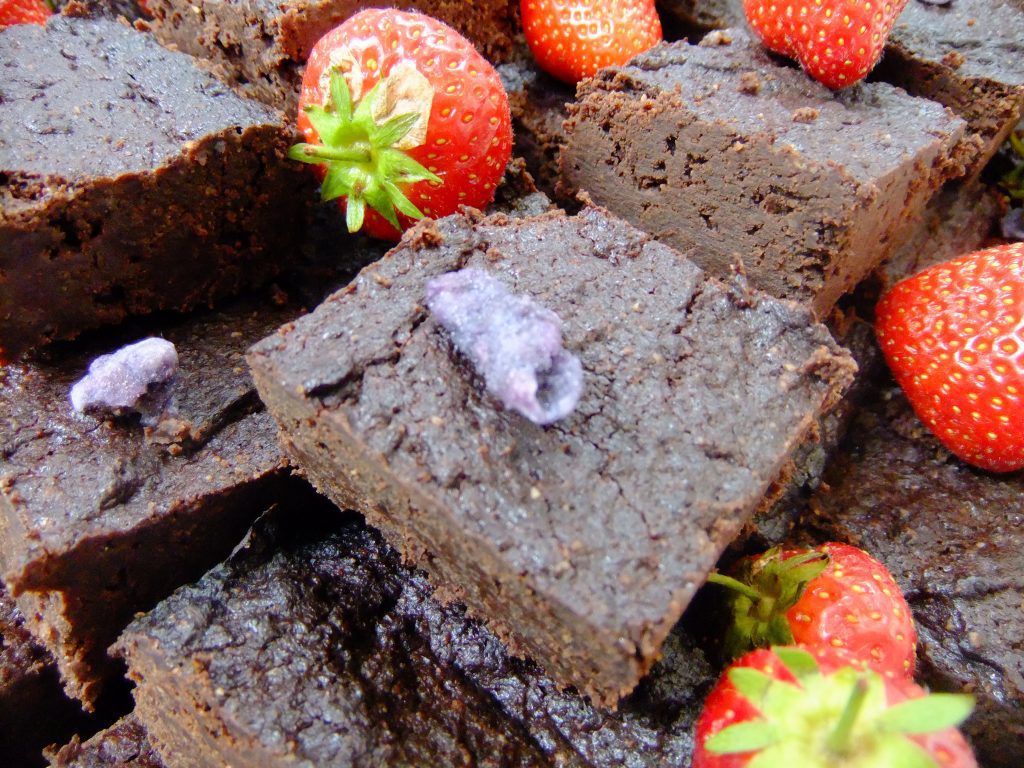
I made this decadent recipe yesterday and troughed some, warm, after dinner. I have to say, they were totally delicious. Today we chilled down a couple more in a cool box to eat after a strenuous hill walk and they went deliciously fudgy. These brownies are naturally dairy-free and, if you use gluten-free baking powder, gluten-free too. If you don’t like your cakes too sweet and use a brand of chocolate sweetened with xylitol (instead of a more bitter 80% chocolate), 100g of added xylitol is probably enough. Beetroot is naturally high in sugars so this adds extra sweetness, it also makes them moister. Pure cocoa contains theobromine, a stimulant, so don’t eat too many of these late in the evening or you could be wired all night! Buy any of the more unusual dry ingredients in health stores.
Makes one 28x18cm tray (28 very filling brownies)
250g dark chocolate (at least 70% cocoa solids, ideally 80%)
200g extra virgin coconut oil
250g beetroot, cooked (shop bought is ok – just avoid beets in vinegar!) – to cook your own, scrub, steam or boil, then peel and cool
3 large organic eggs
1 drop of vanilla extract
200g xylitol or erythritol (I reduce this to 100gas I don’t like achingly sweet stuff and the beetroot provides sugars too)
50g cocoa powder
50g brown rice flour
1 tsp gluten-free aluminum-free baking powder (or just aluminum-free baking powder if you can eat gluten)
100g ground almonds
Baking parchment/silicone baking paper plus a little more oil for greasing
28x18cm baking tray or tin (with sides 2cm or more in height)
Food processor
1. Preheat oven to 180C (165C fan)
2. Put the chocolate and coconut oil in a large bowl and place it over a pan of simmering water, making sure the water does not touch the base of the bowl. Leave to melt, then remove from the heat.
3. Puree the cooked beetroot in a food processor then add the eggs one at a time, followed by the vanilla and xylitol or erythritol. Process until smooth and increased in size.
5. Sift cocoa powder, rice flour, and baking powder into another bowl and stir in the ground almonds.
6. Stir the beetroot mixture into the melted chocolate and then fold in the dry ingredients. This looks large but it will still fit in the baking tray.
7. Use baking parchment/baking silicone paper to line the rectangular tray. Pour in the mixture and place in the preheated oven for 25-30 minutes, until just firm to the touch. It is very important not to overcook the brownies or they will be dry. A skewer inserted in the centre should come out slightly sticky. Leave to cool in the tin and then cut into 28 squares. Put in the fridge for several hours for a wonderfully fudgy effect.
Why this recipe is better for you: Beetroot is a rich source of chromium, which helps your body deal with the high level of sugar in the beet. In “normal” sugar, the nutrient chromium is removed, leaving our bodies struggling to cope with the sugar. The addition of healthy virgin coconut oil makes this recipe low GI because the fat slows the absorption of sugars into the bloodstream. This prevents blood sugar imbalance causing dips in energy and well-being. Xylitol (and also erythritol) are tooth-friendly sweetening agents that do not appear to have health dis-benefits. They are safe for diabetics too as don’t raise blood sugar levels. Coconut oil is a rich source of MCTs – medium-chain triglycerides – which the body prefers to use directly for energy production (rather than storing as fat). Many baking powders contain aluminum, often listed as a “flow agent”. Aluminium adversely affects mental function and bone density. Foods cooked above 100C are not as good for us as raw or low-temperature-cooked ones but sometimes nothing else will do than a gorgeous, unctuous choccy treat…
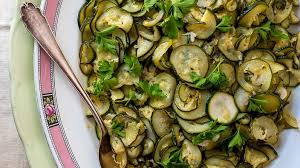
This is an Italian technique for cooking courgettes which I learned as an au-pair in Rome a few decades ago. Thanks, Signora Pilato. It’s really simple but really lovely. It goes with nearly anything.
For 2:
4 medium courgettes
Extra virgin olive oil
2 cloves garlic
Black pepper
1. Put a heavy-bottomed frying pan on medium heat to warm while you peel the garlic cloves and slice them into quarters. Throw them into the pan with about a tablespoon of olive oil to soften slightly while you prepare the courgettes.
2. Wash the courgettes, slice them into disks of say 1/2 – 3/4 cm thick. You don’t have to be too precise here – it’s a rustic dish. Throw onto the pan, turn the heat down low, stir around to coat with the garlic and oil, and cover with a lid (or large plate). The lid is important because this means the courgettes will cook in the steam, rather then (unhealthily) frying and burning. The juices from the courgettes will stop everything from burning provided the heat is low enough. Stir from time to time to check everything is cooking but not burning. If it’s getting too brown, add a tiny amount of water and turn the heat down a little.
3. After about 15-20 mins, stirring occasionally, the courgettes will be softened and start to turn a little translucent and slightly browned in places. They are now done. Take off the heat and top with a few good grinds of black pepper and maybe a little more olive oil. It will stay warm, covered, in the pan, for quite a while.
Variation:
If you are feeling fancy and don’t need to avoid dairy, you could sprinkle some freshly grated parmesan over your courgettes after piling on your plate.
Why this dish is good for you: Courgettes are a rich source of fibre and are a low-carbohydrate vegetable you can eat in unlimited quantities without gaining weight. Braising or steam-frying is a good, low-temperature way of cooking vegetables and tastes great.
Use this dressing for salads, or to drizzle over steamed vegetables to liven them up. Its also great for knocking a cold or flu on the head. If you have some left over, store in an airtight glass jar in the fridge to avoid its delicate health-giving oils from being damaged. Keeps for a week in the fridge. Tamari is a naturally gluten-free soya sauce found in Asian shops and health stores, which also stock healthy cold-pressed (or “virgin”) nut and seed oils.
Basic dressing:
4 tbs extra virgin sesame, rape or sunflower oil
1 tbs (2 dsp) apple cider vinegar, white wine vinegar or lemon juice
1 tsp tamari sauce (for SC diet substitute generous pinch Himalayan/sea salt)
1 dsp peeled, finely grated fresh root ginger
1 clove of garlic, crushed
Freshly ground black pepper to taste Optional extras (health + flavour boosters):
I finely chopped red chilli
½ teaspoon Chinese five spice powder
1 tablespoon freshly chopped coriander
1 dessertspoon sesame seeds
1. Place the basic dressing ingredients in a screw top jar.
2. Add an optional extra if using, shake well and drizzle over salad, a grilled chicken/fish fillet or steamed veg.
Why this recipe is good for you: Extra virgin (cold-pressed) raw sesame, rape and sunflower oils are a great source of unrefined omega 6 fatty acids. These delicate and easily-damaged oils are essential for digestive health, skin and hormone balance as well as energy, weight management and immunity. Damaging, toxic, “-trans fats” are created when omega 6 oils are extracted from seeds/nuts at high temperature, when they are heat-treated for longer shelf life, or when they are fried. All non virgin (non cold-pressed) nut and seed oils contain toxic trans fats and belong in the bin. Beneficial omega 6 oils are found in (raw, unsalted) hazelnuts, peanuts, sunflower and ground sesame seeds. Ginger, garlic, Chinese 5 spice and chillies are high in antioxidants that have anti-inflammatory, immune-supporting effects. Keep your precious omega 6 oils airtight in the fridge, otherwise they’ll go rancid quickly. GOOD FOOD GOES OFF! Other healthy oils include extra virgin olive, coconut, avocado which are all monounsaturated oils. This means they are not so easily damaged and so you can heat/cook them.
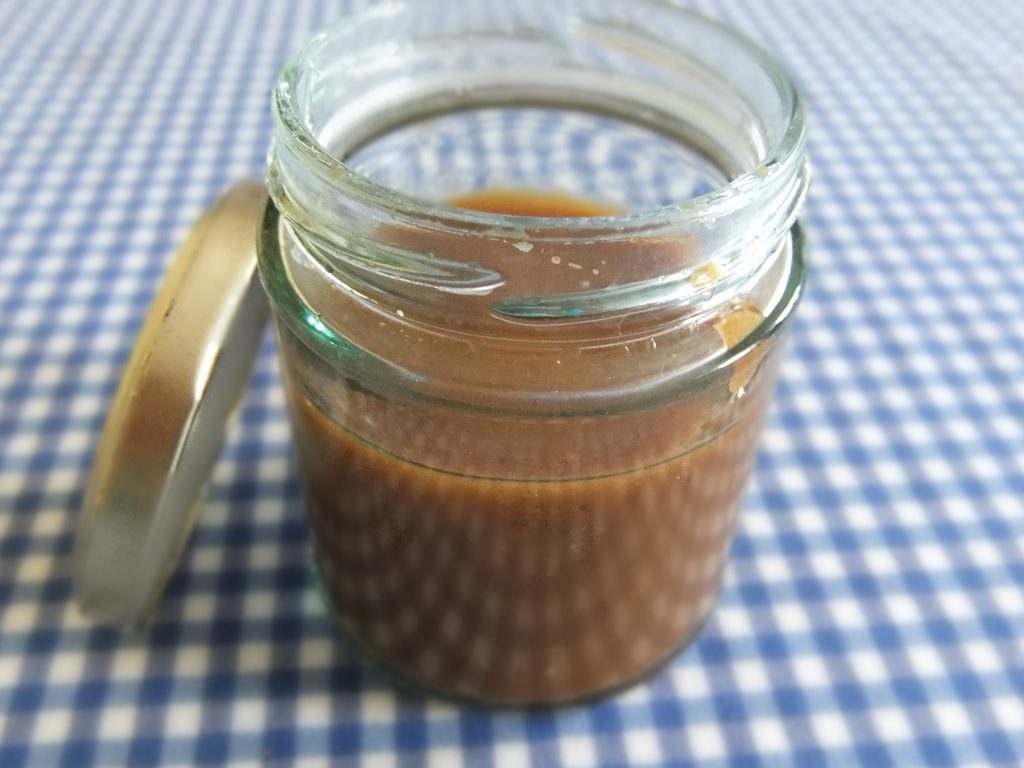
This is a dressing I eat almost every single day to make my raw lunchtime salads delicious. Vary the herb and spice flavours according to your mood. It lasts in an airtight glass jar in the fridge for at least 2 weeks. If you use balsamic vinegar, the dressing will look a rich dark brown in the jar. Pure balsamic from wholefood outlets tends to be free from caramel and other toxic colourings or E numbers often found in discount supermarket brands.
For the basic dressing:
A screw top jar, about 450ml (a standard honey jar is this size)
Extra virgin olive oil
Pure no-added-sugar balsamic or apple cider vinegar (ideally organic)
Heaped teaspoon of Dijon mustard (helps dressing mix well and is anti-inflammatory)
1 clove of garlic, crushed (optional)
Freshly ground black pepper to taste
A pinch of Himalayan or Atlantic sea salt
Heaped tsp ground sumac or paprika
Optional extras for a health/flavour boost (choose one or two):
1 tsp sun dried tomato paste or black olive tapenade
Heaped tsp dried oregano, tarragon, basil or herbes de Provence
Teaspoon finely chopped fresh rosemary
Fill the jar 1/4 full with the vinegar, add the mustard and garlic, about 10 grinds of black pepper, and one of the optional extras.
Fill to near the top with the extra virgin olive oil, put the lid on and shake well.
Why this recipe is good for you: Herbs and spices are powerhouses for health. Weight for weight they contain many hundreds of times more antioxidants than fruit and vegetables. They are powerful modulators of gut bacteria, inflammation and enhance your immune system. Allergies, Crohn’s, ulcerative colitis and arthritis are all inflammatory conditions where your immune system loses control of itself. Even bone loss is affected by your antioxidant levels and your gut bacteria. Always keep dried herbs and spices in an airtight glass jar somewhere dark and ideally not right next to heat. Heat, oxygen and light degrade the powerful health benefits of herbs and spices. Eating a wide range of herbs and spices every week is a fantastic hack for getting and staying well.
Raw, cold-pressed (ie extra virgin) olive oil has high vitamin E to reduce inflammation. Vitamin E helps recycle (prolong) the effects of vitamin C in your body to lower inflammation, enhance immunity and optimise normal healing and repair.
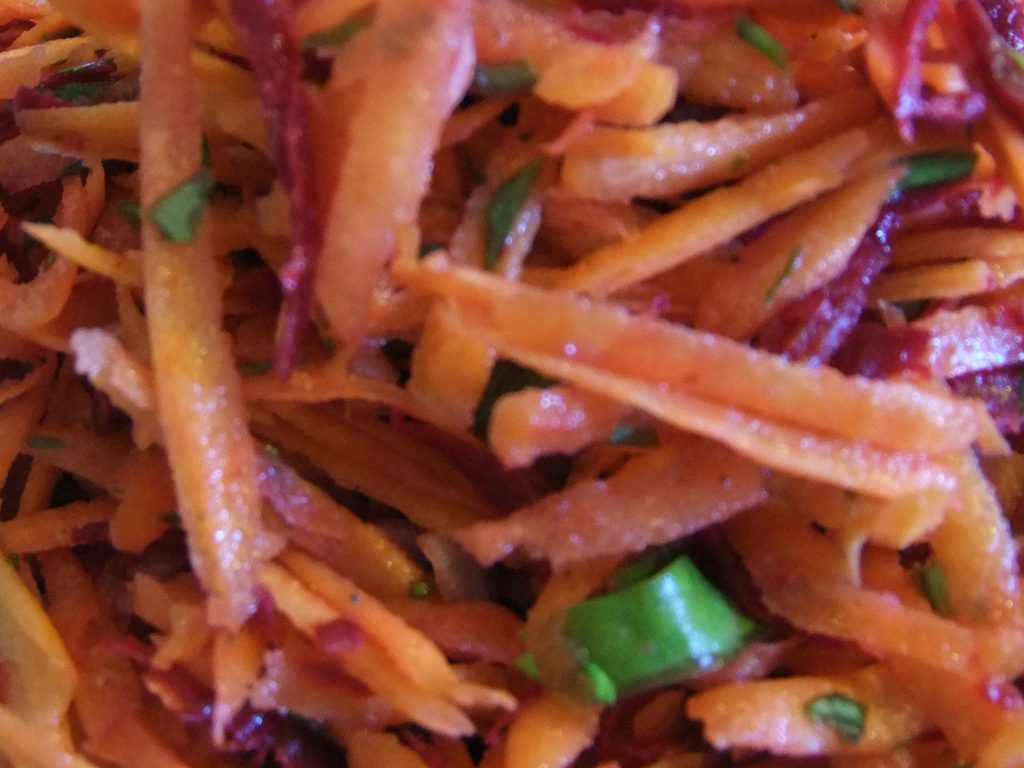
I love the jewel-like colours of this super simple salad. The zingyness of the lemon juice and mustard contrasts beautifully with the earthiness of the beetroot. We had it on a bed of dressed green leaves and avocado yesterday in the garden for lunch, with the super simple butterbean salad I just posted. Because of the antioxidant power of the lemon juice, mustard, and olive oil, this salad keeps for up to 2 days in the fridge. do make sure to add the lemon juice dressing immediately after you have grated the carrot and beetroot, otherwise, they oxidize and go brown.
4 medium carrots, peeled or scraped
1-2 small raw beetroot, peeled
2 small spring onions or 1 tbsp chopped red onion
1 level tsp mustard, ideally Dijon, but English or wholegrain would do
1 tbs lemon juice
1 tbs extra virgin olive oil
Pinch of Himalayan salt or Atlantic sea salt
Black pepper
Optional health boost: 2 tbsp chopped parsley
1. First make the dressing by mixing in a large bowl the mustard, juice, olive oil, salt, and 10 good grinds of black pepper. 2. Now slice the onion and grate the carrots and beetroot and add to the bowl. Mix well and serve with some green salad and whatever protein you are eating – lean meat, fish, eggs, beans/pulses.
Why this recipe is good for you: Beetroot is high in chromium and betaine, nutrients that help your body process the natural sugars in the beet. In processed sugar, where sugar beets are stripped of their nutrients, all you get is the sweetness, without the chromium and betaine your liver needs to get rid of it harmlessly. Carrots and beets, like all root veg, are high in carbs so take the place of potatoes or bread in a meal. Carrots are a great source of beta carotene. This helps liver function, gives your skin a golden glow, and is a powerful antioxidant, helping protect your skin and eyes from UV or age-related damage. Mustard, lemon juice, and olive oil are also rich in antioxidants that help you maintain beautiful, clear skin. Extra virgin olive oil is also rich in vitamin E, which moisturises your skin from within. Healthy skin does not need body moisturiser. Virgin olive oil, eaten raw, also aid long-term weight loss when added to your daily diet. Piperine in black pepper helps your digestive system absorb nutrient minerals.