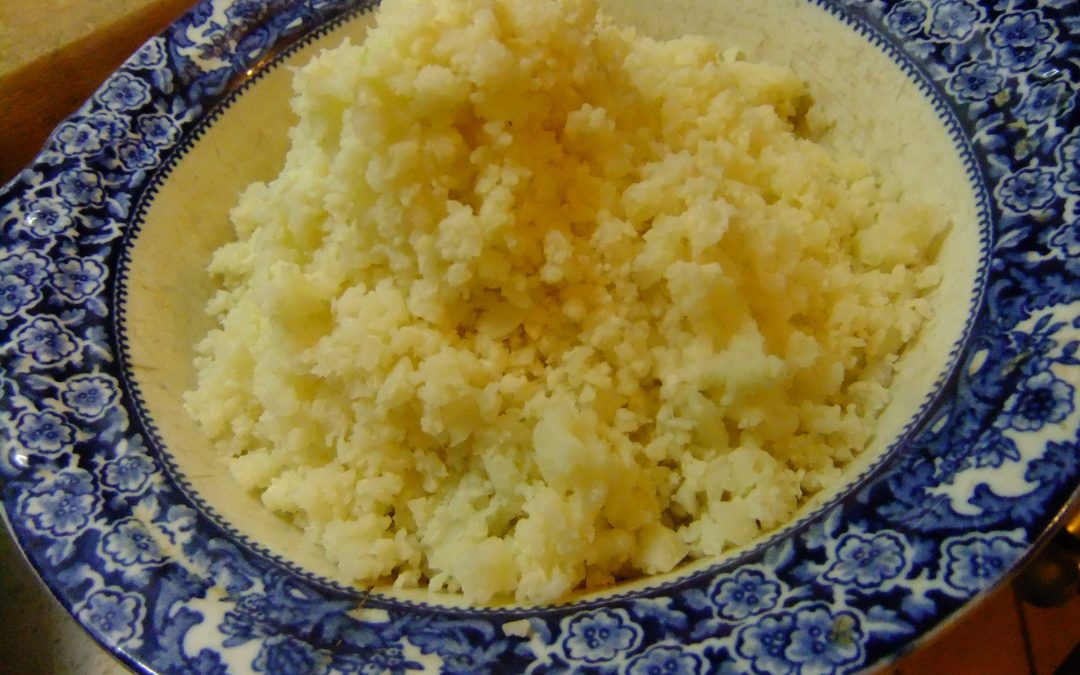
You’ll already know my recipe for creamy cauliflower mash from this blog but I’m discovering even more ways to use this versatile vegetable. My latest discovery is cauliflower “rice”. It’s really simple to make and only takes 5 minutes to cook. We substitute it for rice with our curries and chillies. Yum – and you don’t feel drowsy afterwards. You can rice lots of cauliflower at the same time and store it uncooked in self seal bags/airtight containers in the freezer. To use, simply empty into the steamer (no need to thaw, just break it up with your hands) and steam away. As the title implies, broccoli works just as well for making “rice”. You can even buy frozen broccoli rice in some supermarkets.
There are two methods for cooking this. One using a steamer, one using a pan.
For 4 large servings (steamed version)
1 head cauliflower (about 750g)
Freshly ground black pepper
A pinch of Atlantic sea salt/Himalayan salt
Small knob (level tsp) virgin coconut oil or a splash of extra virgin olive oil
You will also need a food processor and a steamer or pan.
Break the cauliflower into large florets and discard the large stalks (any more than around 2cm thick).
In the food processor, pulse until the cauliflower particles are the size of grains of rice.
Steamer version:
Place in a steamer over boiling water. Steam for 3-4 minutes until softened. Drain well, stir in the oil and pinch of salt. Frying-pan version (richer, more flavoursome):
Follow steps 1-2 then heat a frying pan or heavy bottomed saucepan on a medium heat.
Add a teaspoon of virgin coconut oil, avocado oil or extra virgin olive oil and a splash of water (around 1 tbs). Cook for 3-4 minutes, stirring often (otherwise it sticks and burns). If its too dry and is catching add a little more water.
Why this is amazing for you: The advantage of cauliflower over rice is cauliflower doesn’t flood your body with more carbohydrates than you need. Carbohydrates are foods made up mostly of sugars. Potatoes, grains (even wholegrains!), fruit juices, certain fruits and of course sugar and honey are all high carbohydrate foods. Switching to a moderate or low carbohydrate eating style is particularly useful if you want to resolve digestive problems or skin issues. High carbohydrate eating styles make every health condition worse. Reducing your carbohydrate foods can even slow or stop hair loss. A good guideline for a moderate carbohydrate diet is for bread, potatoes, rice or pasta to make up no more than ¼ of your plate at lunch and your evening meal. Cauliflower is not high in carbohydrates so makes a brilliant substitute for the normal potatoes or rice.
Cauliflower contains sulforaphane and indole-3-carbinol, which help reduce excessive oestrogens in your body. Research proves these have activity against prostate, breast and other hormone driven cancers. Di-indolyl-methane (DIM) in cauliflower and broccoli is anti-bacterial, anti viral and helps balance your immune system.
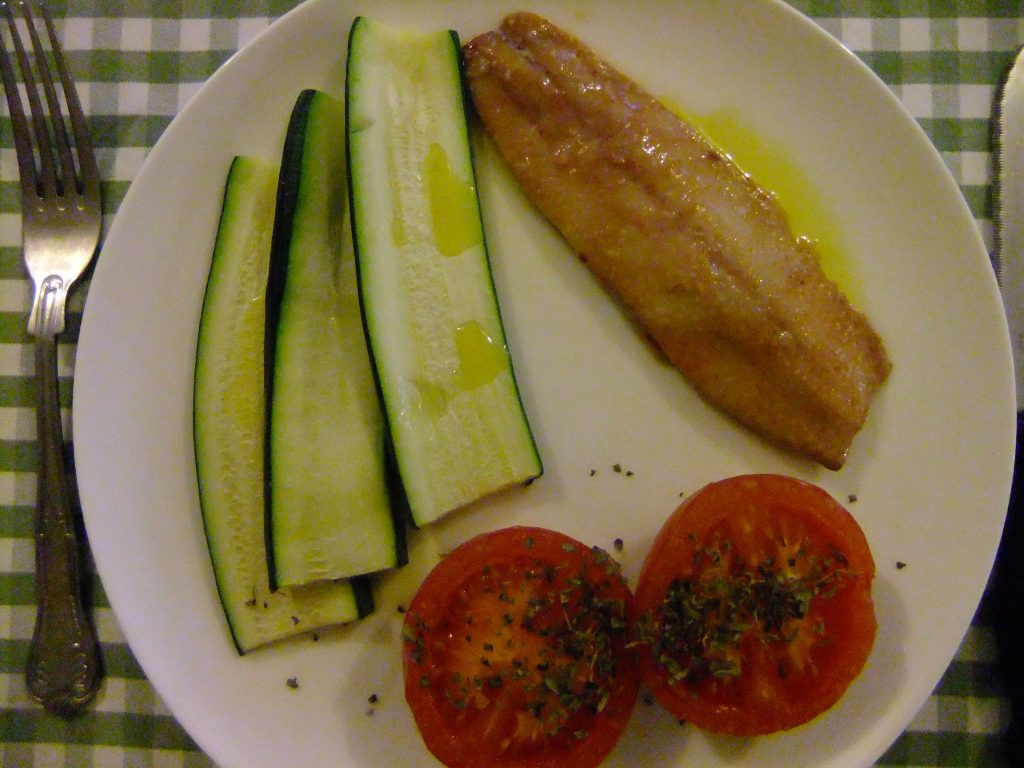
This is a great breakfast (or any meal) and is super fast. The kippers are left to stand in boiling water for a few minutes while you grill the courgettes and tomatoes, simple…
I like to remove the skin of the kipper before cooking because otherwise it causes the fish to curl up unattractively. But if you don’t care about that, don’t bother. You could also have the lovely vegetables more simply with a small smoked mackerel or trout fillet – no need for the pan of water.
1 small kipper (smoked herring) fillet, skin removed with a sharp knife
1 medium courgette, sliced lengthways into strips around ½ cm thick
2 medium tomatoes, halved, woody bit removed
Extra virgin olive oil
1 teaspoons dried oregano
Freshly ground black pepper
1. Boil the kettle. While the kettle is heating up place a small pan on a medium heat to warm before putting in the kipper and pouring on enough boiling water to cover. Take off the heat and leave to poach in the hot water for about 3 minutes.
2. Meanwhile heat the grill. Place the courgettes and tomatoes on a baking sheet or on the grill rack and cook until just softened. You are not looking for everything to be squishy, just heated through and softened slightly.
3. Arrange on a plate, sprinkle with olive oil to taste and scatter the dried oregano over the tomatoes.
4. Serve with the kipper.
Why this is good for you: Kippers are smoked herrings. Because herrings are a wild cold water fish, they are rich in essential omega 3 fats you need for healthy skin and hair. Omega 3 helps prevent your blood from clotting too much and this helps bring more blood and nutrients to the whole of your body. Oregano, even dried, is high in antioxidants (provided you store it away from light and air) and has anti-fungal, anti-yeast and anti-microbial properties against bad bacteria in your gut. “Bad” bacteria and yeast are a major cause of skin problems and weight issues. They can be lowered, and good bacteria encouraged, by what you eat every day. Tomatoes and courgettes are a rich source of beneficial fibre and (more) antioxidants, which protect our bodies from inflammation and delay the ageing process. This breakfast is very light on carbohydrates (sugars) and free from grains so its super-healthy.
A blob of this will turn your just-grilled or baked fish or chicken and some steamed vegetables into a feast. It’s also lovely on a plain oatcake with (if you eat dairy) a few crumbled pieces of goat/sheep feta cheese on top. You could also stir it into humous, to make it extra fancy. Once of the things I love about these home-made pestos is they last a LOT longer than if you just leave the fresh herbs in the fridge. The garlic and virgin olive oil in this one help preserve the mint. My batch lasted 10 days in the fridge. Don’t forget to cover the pesto in a layer of olive oil in the jar – this stops the air from making it go brown. If you prefer, use all walnuts, or a mixture of seeds such as pumpkin and sunflower, to make the pesto.
30g almonds
15g walnuts
1 clove garlic, crushed
40g mint leaves (about 1 big bag)
20g parsley, stalks removed
Juice of 1/2 a lemon
2 tbs extra virgin olive oil, plus extra for covering
1. Blitz everything together in a mini food processor until it’s as smooth as you like it. Personally I prefer it a bit “rustic” so I often blitz everything except the nuts, until smooth, and only add the nuts at the end, to retain a rough texture. If it’s too thick for your liking, add a bit more olive oil.
2. Decant into a clean screw top glass jar. If you are not going to use this straight away, add a layer of olive oil on top to stop everything going brown. Store in the fridge for up to 10 days.
Why this is good for you: Mint helps soothe your digestive system and reduce gas (flatulence!). It suppresses pathogenic (disease-causing bacteria) in your gut and also in your mouth (for fresher breath). Garlic has similar anti-bacterial properties and preferentially encourages good bacteria to multiply. This is all good news for anybody who wants to get their digestive system into tiptop shape, who has skin problems, or who has any inflammatory conditions. Garlic also helps support good liver function which is a cornerstone of having good skin. Raw extra virgin olive oil is a rich source of vitamin E. Vitamin E “recycles” vitamin C as an antioxidant in your body, making it more effective. Vitamin E is natures moisturiser and skin smoother. It also helps reduce your tendency to allergies such as allergic dermatitis, hives, hay fever or food sensitivities. Vitamin E helps keep your skin younger longer too.
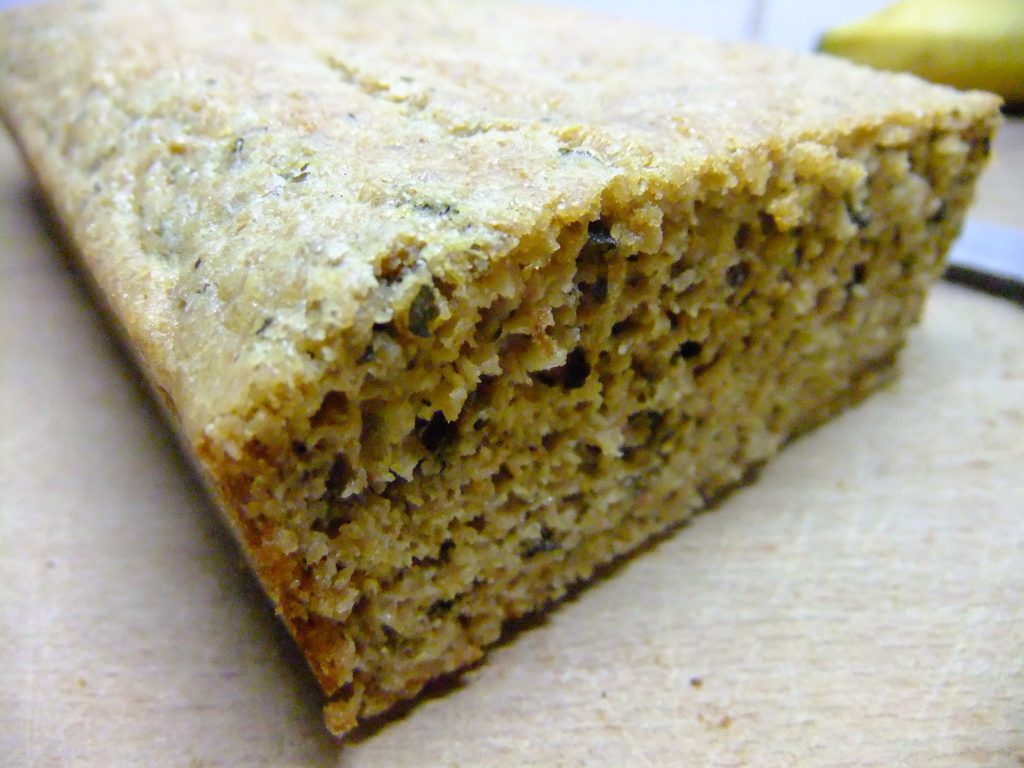
This bread is soft and moist and really filling. It’s such a huge treat when you are off grains! Because its high in protein and fibre (unlike normal breads) you don’t need to eat it with extra protein in order to avoid blood sugar dips and energy crashes. Enjoy it with my special buttery spread for bread, with virgin coconut oil or organic butter (or clarified butter for dairy intolerant people). If you want to increase your energy levels, use the coconut oil as a spread instead of butter (unlike butter, the MCT fraction of coconut oil – about 50% – goes straight into energy production)
Dry ingredients:
100g milled flax seeds. Flax is another name for linseed.
20g ground almonds
½ level tsp Atlantic sea salt or Himalayan salt (NOT ordinary table salt which contains harmful additives)
1 level tsp bicarbonate of soda (also called bread soda)
Plus, if you have it, one of the following
2 tsp dried oregano and 1 level tsp of paprika
1 level tsp Ceylon cinnamon and/or ½ level tsp cardamom
1/2 tsp each ground cumin and coriander
Finely grated rind of organic lemon
Wet ingredients:
2 eggs
1/3 cup (approx. 80ml) water, home made dairy kefir or non-dairy kefir*
1/3 cup extra virgin olive oil
1. Turn on the oven to 150C (or 140C for fan)
2. Mix together all the dry ingredients. In a separate larger bowl whisk or beat together the wet ingredients.
3. Add the dry ingredients to the wet and mix together well.
4. Line a 1lb/450g loaf tin (around 15 x 94 x 74cm) with greased parchment or greaseproof paper, pour in the mix and bake for 50-60 mins.
[If you only have a 2lb loaf tin (around 23 x 13 x 7cm) you can still use it but reduce the baking time to around 40 minutes. The resulting loaf will be half the normal height].
5. The loaf is done when a needle or knife inserted into the thickest part of the bread comes out clean. Remove from oven, remove paper and cool on a wire rack. Refrigerate if you intend keeping it for more than 1-2 days.
Variation
For a deliciously moist courgette flax loaf reduce the amount of kefir/water to 50ml and add 1 medium courgette, finely grated, to the dry ingredients.
*In my tags for this recipe I say this bread is dairy-free, so how come kefir is allowed, when its usually made from milk? This is because, if you make your own kefir properly at home, the problematic milk protein (casein) and lactose (milk sugar) have been broken down by the fermentation process. Kefir “grains” hydrolyse (break down) casein, and digest lactose, turning it into lactic acid. Good news all round, if you are recovering form dairy intolerance. Kefir also contains over 20 different types of beneficial bacteria to help heal digestive issues. Unsweetened non-dairy kefir can be a good option for shop-bought.
Why this is better for you You may wonder why I mention kefir in a “dairy-free recipe”. Kefir is tolerated by people with dairy intolerance because provided it is properly made (at home) it contains no lactose and no casein. Lactose is the milk sugar that’s problematic in lactose intolerance. Most yoghurts still contain lactose because they are not properly (fully) fermented. Yoghurt you make at home will not contain lactose. Casein is the milk protein that dairy intolerant people react to. Kefir grains “hydrolyse” (digest) casein, leaving you able to eat kefir but not yoghurt, cheese, milk which all still contain casein. This loaf avoids grains completely so its really low in carbohydrates. If you are gluten intolerant or want to follow low GI, ketogenic, stoneage or paleo eating plana, it fits right in. Research shows that if you want to maintain good skin, digestion and keep mentally sharp then low grain low carbohydrate way of eating is really important for you. Flaxseeds are a really rich source of soluble fibre, which feeds good bacteria in your gut which helps your skin, your digestion, and even your brain function!! I would recommend having this bread now and again, rather then every day. This is because heating reduces the levels of beneficial oils in the ground flaxseeds. All nuts and seeds have more benefits when you eat them raw or soaked, rather then cooked.It’s still a million times better than sliced pan though!
Gluten-free pancakes with apple and vanilla yoghurt
These are my “traditional” but gluten-free pancakes and I love them for an occasional treat. They come out pretty similar to traditional wheaty pancakes and we think they are just as nice. I plan to eat these for dessert on Pancake Tuesday with freshly stewed cooking apple (sweetened with pure stevia or xylitol) and a large dollop of Greek yoghurt, natural yoghurt or Coyo coconut yoghurt. Coyo sometimes needs to be thinned thinned with a little non dairy milk when its extremely thick. Of course there’s always the more traditional option to eat them with lashings of lemon juice and a sprinkle of xylitol. Delicious!
For best results make the batter between 2 hours and 2 days before and store in the fridge until ready to use.
110g plus 1 tbs brown rice flour, organic if possible
35g soya flour
½ level tsp Atlantic sea salt or Himalayan (pink) salt
2 eggs
1 tbs virgin macadamia oil or light olive oil
250ml dairy or non-dairy milk of your choice (additive-free unsweetened almond or coconut milk are particularly good)
Virgin coconut oil for cooking
1. Combine all the ingredients and whisk thoroughly with an egg beater or electric mixer or in a blender. the batter should flow like double cream. If it is too thick or thin, adjust with either rice flour or water. Store in the fridge until ready to use.
2. Heat a frying pan over a medium-high heat. too low a temperature will produce tough crepes, too high will burn them before they are cooked. Add a knob of coconut oil (about the size of the top part of your thumb) to the pan before cooking each crepe.
3. Pour the batter (about an eight per crepe) into the hot frying pan, tilting the pan to distribute batter evenly and thinly. Pour out any excess.
4. Cook until the top appears dry, about 1 minute. Lift with edge of a heatproof spatula and if the bottom is golden, easy the whole crepe up with the spatula and turn. cook about 1 minute more. Crepes can be stacked and kept warm in a low oven.
Why these are better for you: The soya flour and eggs in these is high in protein, so you are less likely to have a blood sugar rush and crash after these, even if you eat them on their own. Erratic blood sugar plays a massive part in skin problems, accelerated ageing process, stress and digestive issues.
Unfermented soya products like soya flour (and soya milk) are not an especially healthy option to eat every day because they bind (stick to) essential minerals, making it hard for your body to digest them. That’s why I recommend these pancakes for occasional treats rather than every day. In contrast to soya flour and soya milk, fermented soya products are beneficial and can help reduce the hormonal imbalances that lead to breast and prostate issues. Examples of fermented soya products are miso, tempeh and soya yoghurt. So best keep soya flour and soya milk for occasional treats. Coconut oil is fantastic for your brain, your skin and even your digestive system. Unlike many oils, it is not made harmful by normal domestic cooking heat.