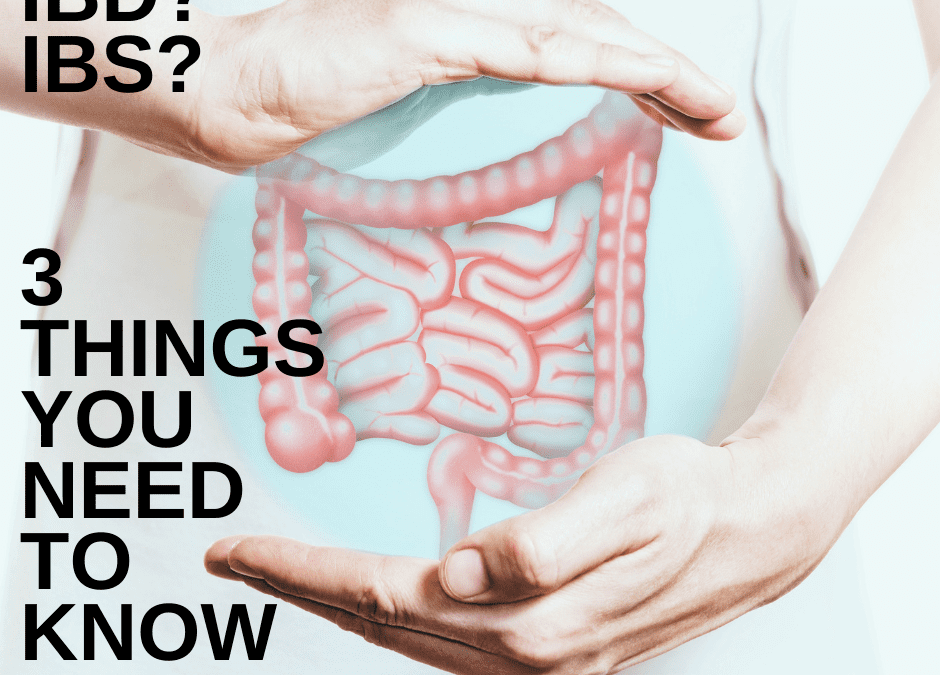
“Sugar-free” products usually contain zero-calorie sweeteners aspartame, sucralose saccharin. You might think “what’s not to like?” One of the problems with sucralose and saccharin is that they stop you from digesting properly. They impair protein-digesting enzymes called proteases. This is a problem because when you can’t digest a protein, it becomes food for disease-causing bacteria in your bowel. Protein-rich foods include milk products, eggs, meat, fish, and beans. The now-overgrown disease-causing bacteria trigger inflammation resulting in damage to your gut lining. You cannot have IBD, IBS, or any autoimmune condition unless your gut lining is damaged.
Sucralose and saccharin also reduce friendly gut bacteria by 50%. Friendly gut bacteria are critical for bulletproof immunity, keeping inflammation under control, and restoring your bowel to perfect health. In fact, if you get your digestive and bowel health in order the rest of your health will follow.
According to research published in the Journal of Leukocyte Biology eating apple polyphenols (substances found in apple peels) can suppress out-of-control immune cell activation to prevent colitis. This study (on mice) is the first to show a role for T cells in polyphenol-mediated protection against autoimmune disease and could lead to new therapies and treatments for people with disorders related to bowel inflammation, such as ulcerative colitis, Crohn’s disease, and colitis-associated colorectal cancer.
What this means in plain English: substances in apple skins help heal your bowel, reducing the out-of-control inflammation that’s the hallmark of IBD. Stewed cooking apples also are a fantastic source of prebiotic fibre. Prebiotic fibre feeds beneficial gut bacteria that make daily repair substances to heal your bowel. When my patient’s test results show up with low levels of bacteria-produced bowel healing substances, one simple thing we do is get them eating either non-sugar home-stewed apple or a high-quality shop-bought product to build good gut bugs and soothe those inflamed linings.
Jerod A. Skyberg, Amy Robison, Sarah Golden, MaryClare F. Rollins, Gayle Callis, Eduardo Huarte, Irina Kochetkova, Mark A. Jutila, and David W. Pascual. Apple polyphenols require T cells to ameliorate dextran sulfate sodium-induced colitis and dampen proinflammatory cytokine expression. J. Leukoc Biol. December 2011 90:1043-1054; doi:10.1189/jlb.0311168
Book your FREE quarter-hour discovery call by phoning + 353 87 981666 NOW or emailing anna@annacollins.ie
Did you know that gut infections can kick off inflammatory bowel disease (IBD)? Why this is usually not obvious is that the infection might not cause any symptoms until your body comes under additional stress from something else. A stressor could be a traumatic few months, a viral infection, food poisoning, a course of antibiotics. Lack of physical activity, not enough sleep, too much alcohol are also stressors. Sadly, hospital testing usually does not look for these infections. An episode of food poisoning or “traveler’s diarrhoea” can cause IBS or IBD, sometimes many months down the line. Infections that can produce IBD include Proteus mirabilis or cytomegalovirus or overgrowth of normally harmless fungus. In IBS, many types of infection can cause your symptoms to develop. Together with your symptom history lab tests are a powerful tool for delivering you a truly personalized wellness plan.
Undiagnosed food sensitivities can be major. Food sensitivities are hard to pinpoint because it can take up to 48 hours for symptoms to manifest. The two most common symptoms involve your brain and your energy levels. Brain symptoms can include anxiety, mood issues, and brain fog. If you have IBD you will not be digesting a certain type of sugar (in many healthy foods) called a disaccharide. This is often also the case in IBS. The undigested disaccharide sugar can’t be absorbed into your bloodstream to give you energy. It lingers in your bowel and becomes food for harmful microorganisms. The toxins they give off damage your bowel. It becomes too permeable. Now undigested foods and toxins spill into your bloodstream. Your immune system reacts – causing inflammation and symptoms. Now you are starting to develop a food sensitivity. Some of the most common food sensitivities are foods that are hard to digest. Soya, egg, milk protein, and an array of grain-based proteins are collectively termed gluten.
High meat low veg low fruit diets correlate with IBD (both Crohn’s disease and colitis). In IBS the picture is a little different as certain vegetables can make matters worse until you’ve resolved the underlying infection or imbalance in gut bacteria. High meat diets impair the production of two very important families of bacteria you need for perfect bowel health. Bifidobacteria and lactobacillus. Who knew??
Book your FREE quarter-hour phone consultation NOW by phoning +353 87 9816666 or emailing anna@annacollins.ie
Yes, viral infections can cause Crohn’s and ulcerative colitis!! When you get infected with a virus it never ever leaves you. It remains (hopefully) latent inside forever. In the event, your body has a big challenge the viruses can reactivate. You see this in cold sores. And in the reactivation of Epstein Barr virus which is seen in the majority of long covid sufferers. Why do viruses reactivate? It’s due to you being under metabolic stress. Something as simple as wiping out your good gut bacteria with a necessary course of antibiotics can do it. This is because 70% of your immune cells live in your gut! The good news is that you can get viruses back into latency so they are not harming you. I did this with a collection of viral infections that had kept me ill for 8 years.
The cytomegalovirus can cause uveitis (an inflammatory eye condition) AND inflammatory bowel disease. I first saw this in a patient a couple of years back who had come to me with Crohn’s AND uveitis. Alarm bells rang immediately. I use Elispot and cutting-edge PCR testing to check for viruses when relevant. Even if you’re on immunosuppressant medication the Elispot test works.
Some other complications of cytomegalovirus can include hearing loss, vision loss, seizures, lack of coordination, immune suppression, hepatitis, inflammation of your retina, pneumonitis, oesophagitis, high blood pressure, polyradiculopathy, transverse myelitis, subacute encephalitis, heart disease, and aortic aneurism.
Book your FREE quarter-hour discovery call by phoning + 353 87 981666 NOW or emailing anna@annacollins.ie
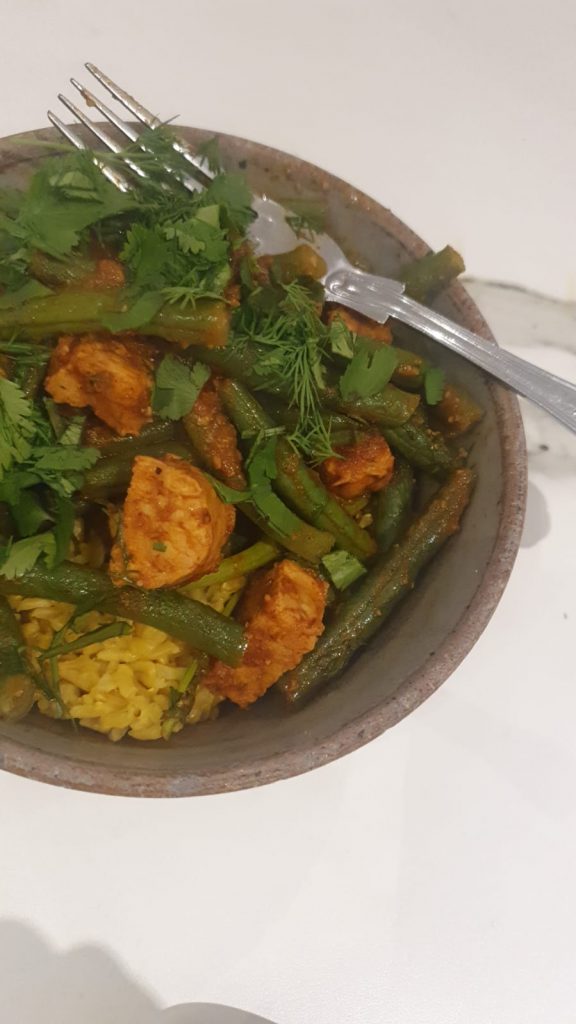
This is my current favourite way to use tofu or tempeh. I adapted it from Ottolenghi’s more complex recipe. My husband is a tofu-hater so when he disappears for a few days I always cook this. Keep in mind that unfermented soya products contain digestion-blocking proteins that damage your gut. So DO make sure to buy the fermented forms for this dish: tempeh or fermented tofu (it will say on the pack).
If you don’t have a small-bowl food processor, chop the chili finely, crush the garlic and use a pestle and mortar to bash the caraway seeds about as much as you can before mixing with the other spices and oil.
For 2
This is gorgeous served with cauliflower/broccoli “rice”, konjac noodles or brown basmati rice.
350g trimmed French (or use runner beans cut in 6cm bits)
Salt and black pepper
200g non-GMO tempeh or fermented tofu, cut into bite size cubes
A few sprigs of dill (small handful), destalked and roughly chopped
Small handful fresh coriander, destalked and roughly chopped
For the sauce:
4 garlic cloves, peeled and crushed
1 green or red chili, deseeded (optional)
2 slightly rounded tsp sweet paprika
1 tbs caraway seeds
1.5 tsp ground cumin
½ level tsp ground Ceylon cinnamon
2 tbs + a little extra avocado oil or extra virgin olive oil
3 tbs tomato puree
250ml water or leftover vegetable-steaming water (full of nutrients!)
Optional: 1 heaped tsp honey or non-toxic sweetener e.g. Dr Coy’s Stevia Erylite or xylitol (from good health stores)
2 limes
Black pepper
Himalayan or sea salt
For the sauce put the garlic, spices, chili and 2 tbs oil in the small bowl of the food processer and blitz to a thick paste. You might need a touch more oil to bring it together.
Heat a pan on a medium heat and add a teaspoon more of avocado/olive oil and stir fry the garlic-spice mix for 30 seconds.
Then add the tomato puree, 250ml water and bring to the boil.
Stir in the honey or non-toxic sweetener, lime juice, generous pinch (1/4 a level tsp) salt and a few good grinds of black pepper.
Add the tempeh, turn down the heat, cover and simmer while you prep the green veg.
Steam the French/runner beans for around 2-3 minutes until the colour changes very slightly and they are softened but still have a bit of crunch.
Finally, just before serving, stir the herbs into the tofu and sauce, pile on top of your rice and enjoy.
Serve with:
Low carb: Cauliflower or broccoli rice https://www.annacollins.ie/cauliflower-rice/ or konjac noodles from Asian stores.
Medium carb: brown basmati rice cooked with a generous pinch of turmeric
Why this is good for you:
Spices are a powerhouse of antioxidants that help rebalance your gut bacteria in favour of the good guys. The good guys helps digest your food, repair and maintain your gut lining every minute of every day, and reduce inflammation in you. This has massive implications for your immune system, your gut health and even your mood. Yes, anxiety/depression states always involve brain inflammation. Type the name of just one spice into medline (the scientific journal resource) and you’ll find hundreds of peer-reviewed scientific studies.