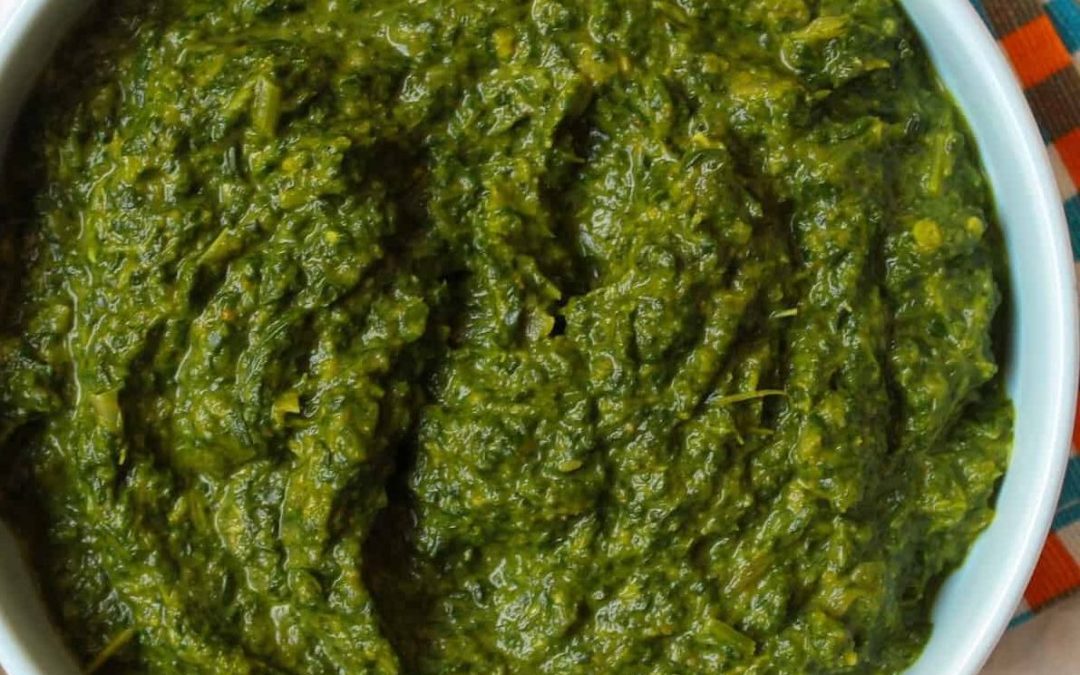
I like to cook this to go with a fish, meat or vegetarian curry. This is great with the butterbean curry I posted recently, or any Indian fish, meat or lentil curry. I adapted this recipe from “The classic 1000 Indian recipes” switching to coconut oil instead of polyunsaturated vegetable oil. I love to have a popadom or two with this – buy them raw for a few cents in your local Indian shop and microwave individually on high for 1 minute. I’m not a fan of microwaves but when the alternative is deep frying and it’s only once in a while, what the hell…
You will need a mini food processor (or old-fashined mouli-legume) to blend the spinach into a puree.
For 4
500g spinach leaves, washed
2 level tbs virgin coconut oil (or butter or ghee)
3 large garlic cloves, crushed or finely chopped
4cm ginger root, peeled and finely chopped or grated
1 large onion, finely chopped
1 rounded tsp garam masala
1 rounded tsp ground cumin
½ tsp ground turmeric
½ tsp ground red chilli (optional)
1 cup water leftover from steaming veg, or use plain water
Himalayan or Atlantic sea salt
1. Place the spinach in a steamer, cover and steam for a few minutes until wilted. Blend to a puree in the food processor.
2. Heat the coconut oil in a heavy-based pan and sweat the onion, ginger and garlic with 1 tbs water over a medium heat until softened and translucent but not brown. Sweating involves using a gentle heat and covering the pan with a lid or plate so the steam cooks it.
3. Stir in the ground spices and a pinch of Himalayan/Atlantic sea salt.
4. Mix in the blended spinach and heat through, stirring, for a few minutes.
Serve with:
My butterbean curry or a meat/fish curry.
Darnes of salmon you have dusted with (gluten-free) curry powder and grilled (allow about 5-6 mins flesh side up then turn and grill skin side up for 1-2 mins).
Why this is good for you Herbs and spices have fantastic health benefits. From helping blood flow to your brain to inhibiting inflammation. Chilli is clinically proven to heal stomach ulcers. ginger is anti-inflammatory especially in the digestive system, where it soothes inflamed membranes. Turmeric aids liver function and quells inflammatory conditions in the skin, joints and more. What’s not to like as they also make meals SO much more exciting. Not just fresh but dried herbs and spices have benefits provided you keep them in airtight containers away from sunlight. Like all dark green leafy vegetables, spinach is a rich source of folic acid and magnesium. Folic acid helps your digestive system carry out essential repairs and maintenance every day while magnesium is essential for liver function, healthy skin, stress reduction and sleep.
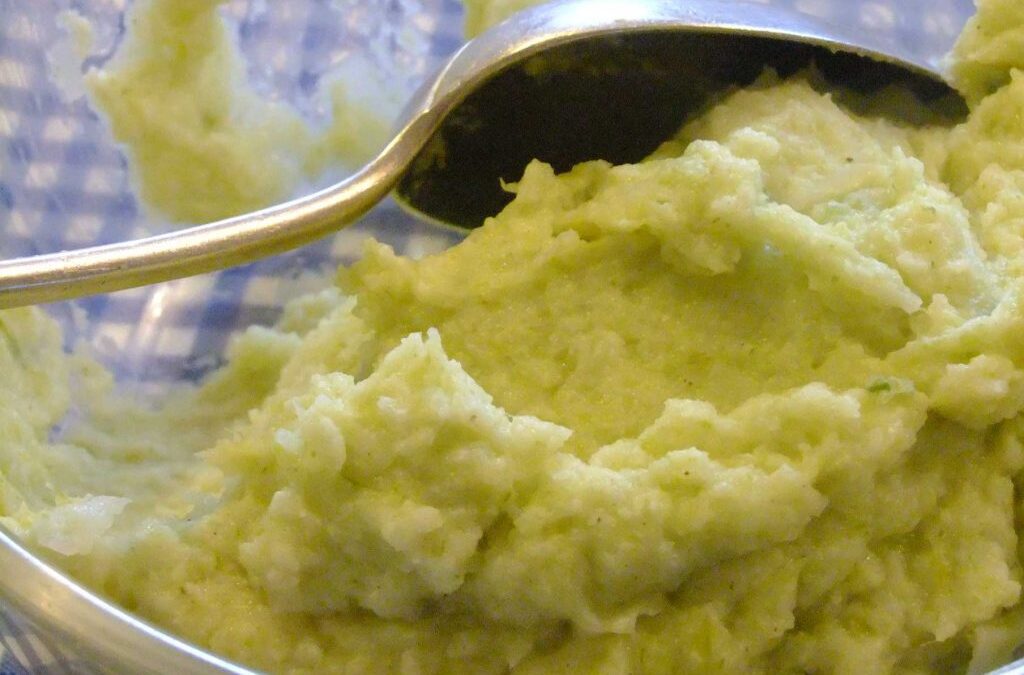
This mash is a fantastic substitute for mashed potato. I love it because contains more nutrients and much less (natural) sugar and is still delicious. All the comfort of regular mash, none of the downside.
1 small head cauliflower, separated into florets
1 leek, white (and 6cm of green if you like), well washed, cut into 1cm slices
1 knob (about the size of a walnut in its shell) of organic ghee (for people with dairy protein tolerance) or butter or 1 dsp extra v olive oil
2 tbs of unsweetened additive-free non dairy milk like coconut or almond or (if you can eat dairy) you can substitute regular milk or cream
Pinch of ground nutmeg (optional)
¼ tsp freshly ground black or white pepper plus pinch of Himalayan salt/sea salt
1. Steam the cauliflower until softened, then throw the leek in on top and steam everything until very soft. Drain well.
2. Place the vegetables with the milk, ghee/butter and seasonings in the food processor and blitz for a few minutes until smooth. It will have some flecks of green thorough it and look like potato mash.
Tip:
Make lots and store leftovers in the freezer. Reheat over a gentle heat, stirring.
Variation:
Add 2 good tablespoons of chopped parsley when blitzing.
Why this is good for you: First of all you are getting sulphur from brassica and onion family veg (cauli and leek). This helps your detoxification. Leeks also contain prebiotic fibre which turbo-charges growth of certain good gut bacteria to keep you well. There’s also the major benefit of this mash being much lower in carbohydrates (sugars) than potato mash. Potatoes, especially peeled and mashed are massively high in (natural) sugars which promote blood sugar imbalances when you eat large amounts. Meals very high in carbohydrates slow down our detoxification. Also, because they are satiating, they prevent us from eating lots more vitality-boosting green and non-starchy vegetables in a meal. A seemingly healthy meal of say potatoes, carrots, parsnips and meat is in fact a large sugar overload because the veg are all root vegetables and therefore rich in sugars. Potatoes contain much more sugar than other root veg like carrots. A much more health-supporting combination would be 25% meat, up to 25% starchy carbs (e.g. carrots, potatoes, parsnips, turnips) and 50% or more non starchy vegetables (e.g. green vegetables, cauliflower).
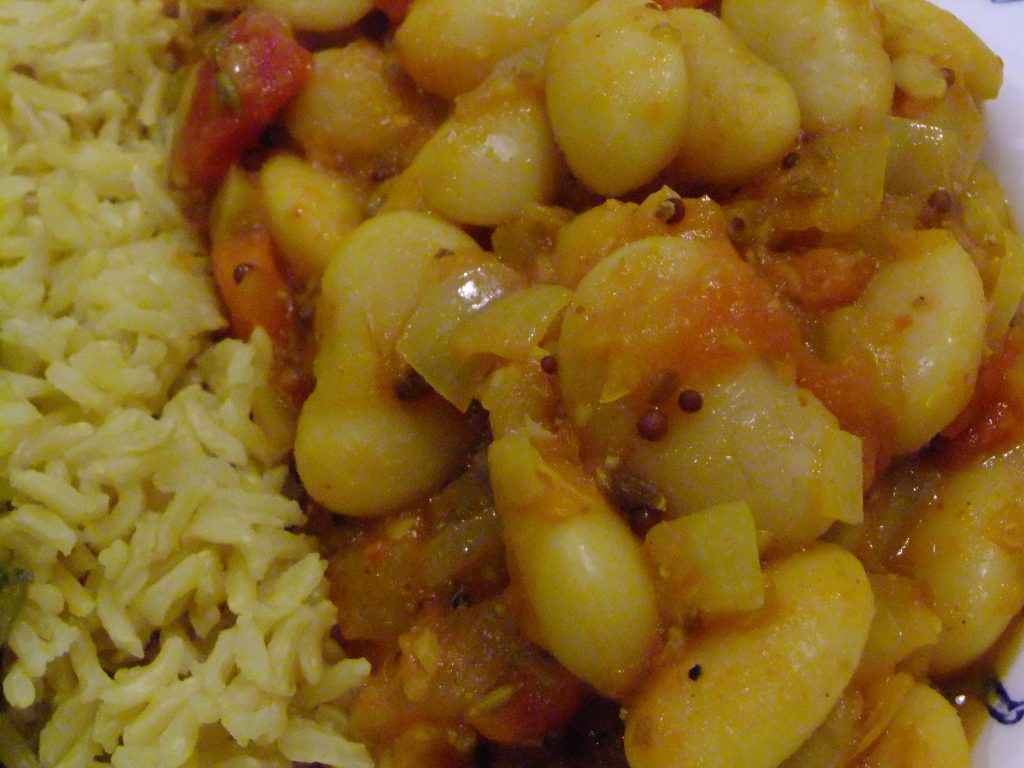
I just discovered this recipe (and adapted it a little to be healthier) by Rose Elliot and its lovely. Just the thing for a cold winters evening. Comfort food at its best. I made extra for leftovers next day or to stick in the freezer.
For 2-3 people
1 mug (200g) dried butter beans or 2 x 400g tins (with no added sugar)
2 tbs virgin coconut oil or ghee
1 large onion, chopped
400g fresh tomatoes, chopped (or half a 400g tin chopped tomatoes)
1 rounded tsp black mustard seeds (if you don’t have any, use 1/2 tsp mustard powder)
1 heaped tsp cumin seeds
2 garlic cloves, crushed or finely chopped
1 tbs raw ginger, grated (peel the ginger first if its not organic)
1/2-1 tsp chilli powder, or to taste
1 heaped tsp ground coriander
1 level tsp turmeric
1/4 tsp asofoetida (a sulphur-rich Indian spice from Asian shops but gluten-sensitive people DO check the ingredient label)
A little water
Fresh coriander, chopped, if you have it
1. Soak the dried beans in lots of clean filtered water overnight. Boil hard for 15 minutes and continue to cook until soft. Drain but keep the liquid and set aside. If using tinned beans, drain and rinse in clean water and set aside.
2. Heat the oil in a heavy bottomed saucepan, add 1 tbs water and sweat the onion (with the lid on) over a medium heat for 10 minutes or until translucent and softened.
3. Add the spices and stir around for a minute or two.
4. Add the tomatoes and garlic and about 50ml of water too. Add the cooked butter beans, stir well and cook the lot together for at least 5 minutes, until the beans are hot. You should have something that is not dry so if it looks like there is not enough liquid to stop everything from sticking, add a little more.
5. Sprinkle with chopped coriander just prior to serving.
Serve with:
Something raw: e.g. a green baby leaf salad, an Indian style salad of chopped tomato, red onion and coriander, or the spinach curry on this blog.
and
Cauliflower rice or (not for SC Diet)
Or
(Not for SC Diet) quinoa/brown basmati rice cooked with a little turmeric
Why this is good for you: Almost all herbs and spices have huge health benefits. From mustard reducing the pain and irritation of eczema, to chillies healing stomach ulcers by strengthening the stomach lining (and killing pain), to ginger and turmeric as anti-inflammatories that support liver function. Herbs and spices have strong antioxidant properties even at small doses and thousands of scientific research papers keep the evidence stacking up. Butter beans are a lovely source of protein to keep you fuller for longer and reduce your reliance on meat. They take up flavours really well. Just be sure to soak the beans overnight in filtered water before boiling hard for at least 15 minutes, and continuing to cook till tender. Beans contain protease inhibitors – substances that prevent digestion (!). Proper soaking and cooking disables these protease inhibitors, making the nutrients in the beans more available to your body. Nutrients include magnesium, vital for skin, sleep and good mental health. Beans also contain soluble fibre. This feeds good bacteria in your gut responsible for detoxifying hormones and much much more.
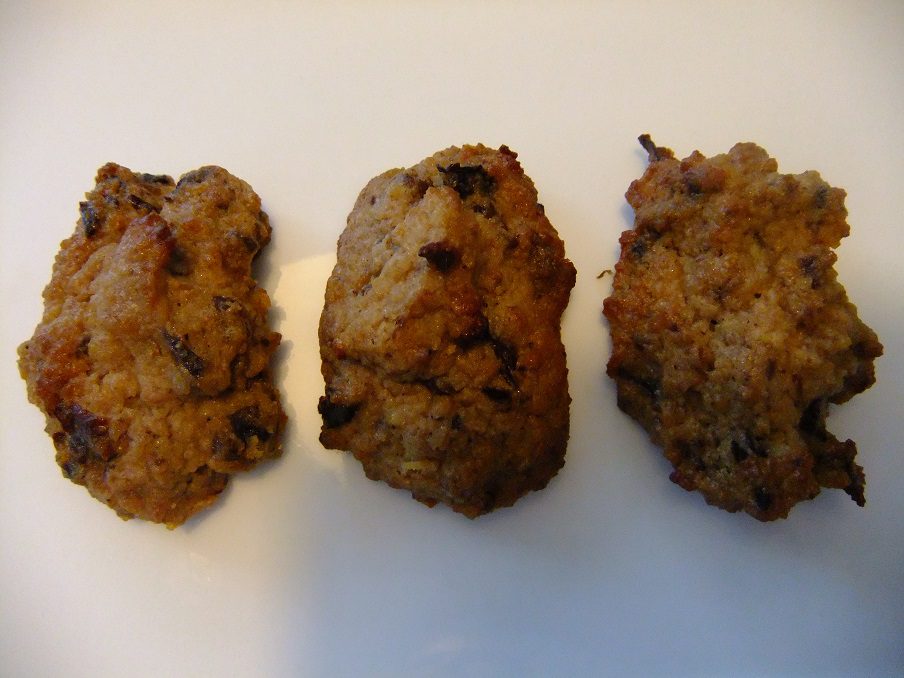
I love to make these around Christmas-time. They are deliciously moist, flattish but light and are a crowd-pleaser. Prune-haters also usually like these cakes, provided you keep it a secret that they contain prunes! They will keep in an airtight jar in a cool place for about 10 days. I love spices so I generally also add some extra. I add a generous pinch of ground cloves and ground ginger but you don’t have to.
1. Put prunes and water in a small pan and simmer till water is absorbed
2. Combine with the almonds and mixed spice
3. Grate the pear into the almond mixture and stir
4. Fold in the egg white to make a thick paste
5. Place 16 dessertspoonfuls of mix on a greased baking tray
6. Bake 170C (or 155C fan) for 20 mins or until lightly browned
Why these are better for you First of all these cakes have some high quality protein from the almonds and egg white. This means that the sugars from the pears and prunes only gradually hits your bloodstream (protein slows down absorption of sugars in your gut). This is good news if you like to keep your energy, mood and blood sugar levels fairly even. Sulphur dioxide is a preservative that can have unpleasant effects on your digestive system. Mixed spice, like all spices, contains antioxidants that help reduce inflammation and slow the ageing process. Cooking damages foods, so these are not as healthy as eating raw food (e.g. my raw green tea macaroons on this blog). But sometimes you just want cake anyway…
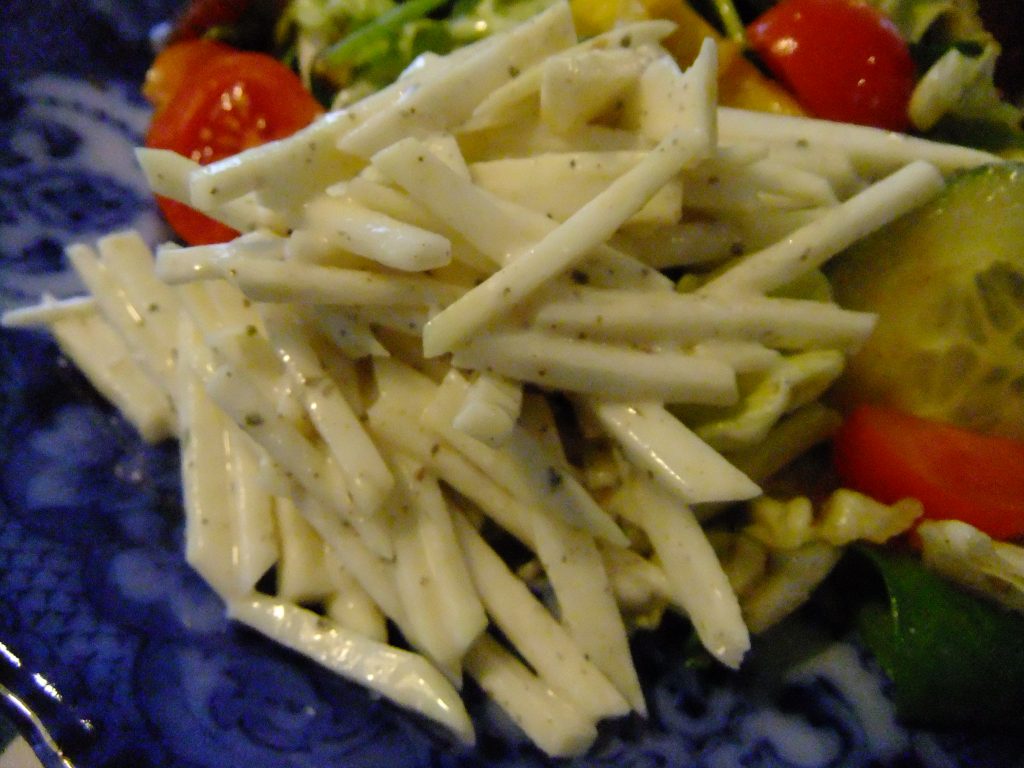
Try this as a side instead of potatoes with some grilled fish and green veg. We had it last weekend with gorgeous meaty (nitrite-free) sausages and steamed broccoli drizzled with extra virgin olive oil. The sausages came from Coolaknowle Organic Meats https://organicmeat.ie/ at the Green door Market in Dublin on Fridays and Saturdays. All their meats are fantastic quality and none contain nitrites. They also do a really good gluten-free sausage that’s high meat content and of course, also nitrite-free. I LOVE the Green Door Market – so many fantastic food producers under one roof. Saturday is THE best day https://www.thegreendoor.ie/
For 4 servings:
One small celeriac
2 tbs thick homemade kefir, natural yoghurt (if you are on the SC diet, the kefir or natural yoghurt need to be home-made) or creme fraiche
Juice of half a lemon
2 dsp Dijon mustard
Plenty of freshly ground black pepper
A pinch of Himalayan/Atlantic sea salt
1. Peel the celeriac (you’ll need to cut off anything knobbly).
2. Coarsely grate or cut into thin batons (about 2mm thick) or julienne strips (you could also use a spiraliser and use the “noodle” attachment).
2. Combine with all the other ingredients and mix well.
Serving idea:
Drape with smoked salmon and serve with a mixed salad.
Why this is better for you
Celeriac is lower in carbohydrates (sugars) than potatoes so it’s a much healthier choice for anyone who cares about their waistline, their digestive health or their ability to look younger for longer. Mustard helps reduce inflammation. An interesting recent study showed a marked improvement in eczema when mustard was added to the diet of mice with the inflammatory skin condition. And of course celeriac is free of disaccharides, the sugars that anyone with active Crohn’s or ulcerative colitis cannot digest.