Because I am an indolent cook and destalking thyme is a pain I leave the thyme leaves attached to the sprigs. They usually fall off in the cooking and then you only need to fish out the denuded twigs. I don’t do this with rosemary – the leathery leaves go everywhere and the texture isn’t good – so I chop the rosemary finely.
1 tbs extra virgin olive oil
1 red onion, chopped
2 cloves garlic, crushed or finely chopped
1 mugful of bite size chunks of root veg: choose from Swede or white turnip, Jerusalem artichokes or (for people NOT on SC diet) potato or sweet potato.
1 large carrot, sliced
1 large stick celery, sliced
1 tsp each ground cumin and coriander
½-1 tsp cayenne pepper
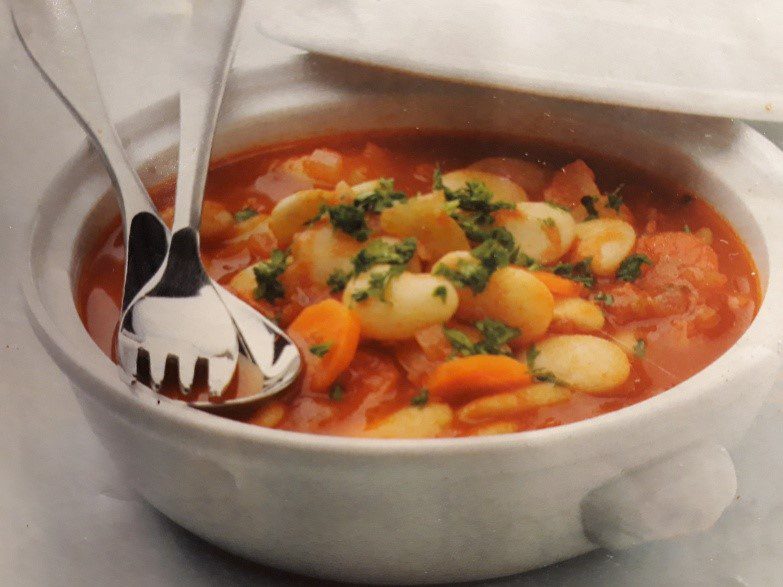
400g can butter beans (drained) or soak (overnight) 200g dried butter beans in water and boil til tender.
250 g tomatoes, chopped (fresh or tinned)
Large handful fresh thyme sprigs
6” sprig fresh rosemary, destalked and finely chopped (or you can leave the whole sprig in and then spend ages picking the annoying leathery leaves out when everything’s cooked)
150ml vegetable stock (For SC diet add 1/2 teaspoon additive free Vegetable bouillon powder such as Dr Coy’s to boiling water). If you don’t need SC diet-friendly use Vecon vegetable bouillon powder or Kallo vegetable stock cube.
5 juniper berries, lightly crushed
3 tbs fresh parsley, finely chopped (you can chop and keep in the freezer for easy use)
Add the oil, onion, garlic, potato/Jerusalem artichoke/turnip, carrot, celery and spices to a heavy bottomed saucepan or casserole, give everything a stir to mix with the oil and spices, put on the lid, and sweat for 5-10 mins until the onion is translucent but not brown. You might need to add a splash of water to stop everything browning.
Add the cooked beans, tomatoes, thyme sprigs, rosemary, stock, juniper berries, bring to the boil, cover with a lid and gently simmer till the vegetables are cooked.
Garnish with parsley.
Serve with:
Steamed broccoli or a green salad dressed with a little olive oil and lemon juice
Optional extras (for people NOT on SC Diet) choose one:
Quinoa grains – 11% protein so great with a beany dinner. Its protein keeps added to the bean protein keeps you fuller for longer. Cook in twice its volume of boiling water in a covered saucepan – around 8-10 mins until it looks bobbley.
Brown rice (add a little turmeric to the water before cooking for a lovely golden colour)
Why this is good for you: Beans are a rich source of magnesium which you need for calm, sleep, clear skin, proper muscle and liver function and much much more. Stress, refined foods (sugar/white grains), alcohol, stimulants and smoking rob magnesium from your body. Millet is also rich in magnesium.
Fresh thyme, rosemary and spices are rich sources of phytochemicals (also called polyphenols or bioflavonoids). These are natural antioxidants many times more powerful than vitamins and minerals. Phytochemicals help reduce inflammation. This helps prevent or relieve conditions like heart disease and any condition with an -itis – arthritis, dermatitis, bursitis etc. It doesn’t help with work-itis, which I used to have in my old job!
I like to soak my muesli the night before because it makes grains, nuts and seeds super digestible and more filling. Unsoaked grains contain phytates which impede your mineral absorption. Making your own muesli is great because you can use the nuts and seeds you prefer. Commercial muesli is often high in dried fruit, which just gives you too much carbohydrate (sugars) at one sitting. It can also load up on cheaper ingredients like wheat flakes, instead of better-for-you oats. I love to add a heaped teaspoon of ground ginger and 2 of Ceylon cinnamon when making the muesli because I love the antioxidant punch of spices which keep you healthier and younger looking for longer.
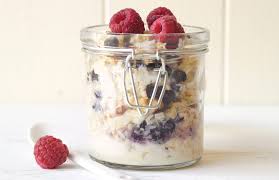
When I have early clinic I often make Birchner muesli. I put half a mug of muesli in a wide glass screw top jar, grate an organic apple in, add lots of kefir/yoghurt and mix it up, sometimes with a few drops of stevia if I am feeling like something sweeter or am using sour berries. Instant brekkie the following morning. Yum…
Luxury Muesli
3 cups gluten-free (or normal, if you tolerate gluten-contamination) jumbo oatflakes or porridge oatflakes
½ cup walnuts, broken into quarters, halves or roughly chopped
½ almonds, coarsely chopped
½ cup sunflower seeds
½ cup hazelnuts or Brazil nuts, coarsely chopped
½ cup organic whole chia seeds or linseeds (also known as flaxseeds)
½ cup chopped unsulphured apricots
½ cup dessicated coconut or large coconut flakes
Mix ingredients together and store in an airtight jar.
Serve ½ mug of this muesli with natural yoghurt, milk of your choice and a cupful of chopped fruit – apple, pear or berries.
If you need more sweetness, use a few stevia drops from health stores. Its a plant extract that’s much sweeter than sugar but without calories and negative health effects.
Birchner Muesli
Soak ½ a mug of this muesli in a bit more than double its volume of home made kefir or yoghurt overnight (for dairy free use almond or coconut based yoghurt – if it’s very thick you might need to add some non-dairy milk).
Serve with a grated organic apple/pear or 1 cup mixed fresh or frozen berries
As a yoghurt/kefir substitute you could use half water half cloudy apple juice to soak. This isn’t as good because it contains no protein and raises the (natural) sugars in the meal. But if you cant bear milk, yoghurt or kefir of any type with muesli (like my husband) what the hell…
A note about dairy sensitivities: If you are mildly dairy-sensitive (you get symptoms but don’t have any major autoimmune health condition) you might like to try home made kefir. Kefir is a fermented milk product where the bacterial cultures have digested both the lactose (milk sugar) and casein (milk protein). I find that with any other dairy product, I immediately get a stuffed nose and throat, but not with home made kefir. You might be the same. Yay!! fully fermented home made kefir has over 20 varieties of beneficial bacteria to help your health. Even when good bacteria are killed by your strong stomach acid they still have a huge metabolic effect on you. How amazing is that…
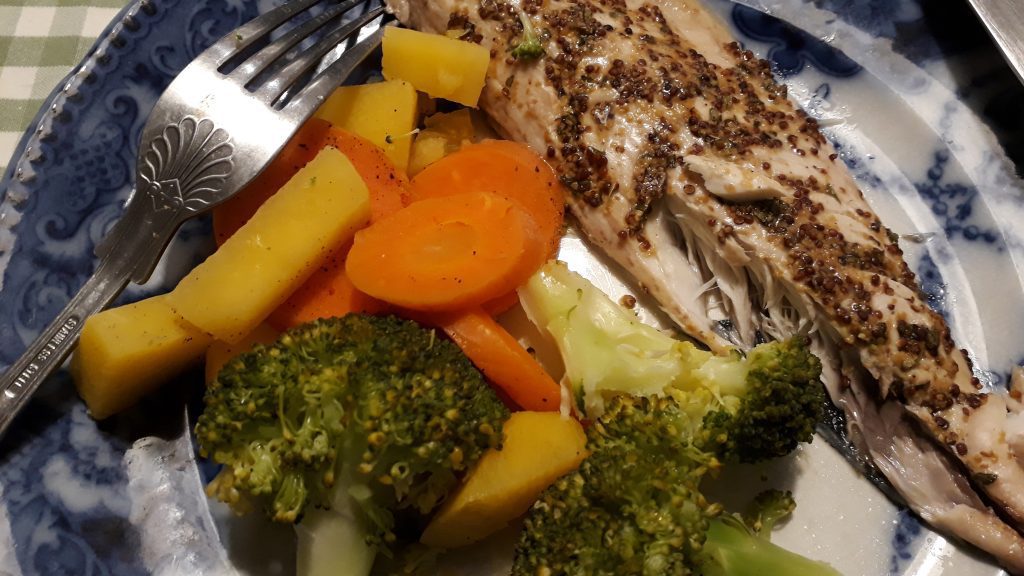
This is is a super simple recipe I concocted today, inspired by a Nigel Slater recipe. Its ideal for a one-person dinner, or for a family. The mustard and lime lift the richness of the oily fish and are amazing for you too.
For 2:
2 fresh mackerel fillets
1 dsp coarse grain mustard
1 dsp fresh lemon or lime juice
Generous pinch black pepper
Pinch Himalayan salt/sea salt
1/2 tsp dried tarragon if you have it
A little olive oil to grease your roasting tin
To serve:
2 cupfuls sliced carrots
4 cupfuls broccoli florets
1. Heat your oven to 200C and while it is heating steam your vegetables and keep warm.
2. In a little bowl mix the mustard, pepper, salt, citrus juice and (if using) tarragon.
3. Oil your roasting tin, lay the fish skin side down, slather with the mustard mix and bake for 12-15 minutes. When the fish is done, it will no longer be translucent and the point of a knife or skewer will go through it easily.
4. Enjoy.
Why this is good for you: We all know that omega 3 oils from wild mackerel are great for our brains and hearts. But did you know that having enough omega 3 affects every cell in your body – from helping you avoid diabetes (or get rid of it if you have it), to helping your body react efficiently to all your horrnones. Eating more oily fish is a no-brainer. Mackerel is one of the best oily fish as its always wild so its leaner and cleaner. Mustard is a spice and is powerfully antioxidant. It even helps prevent eczema breakouts. If you want a healthy brain and body for many many years to come, get the spices in to your everyday eating. Spices AND herbs (like tarragon) pack a powerful antioxidant punch to lower inflammation and help you age agelessly. And they liven up your plate. What’s not to like!
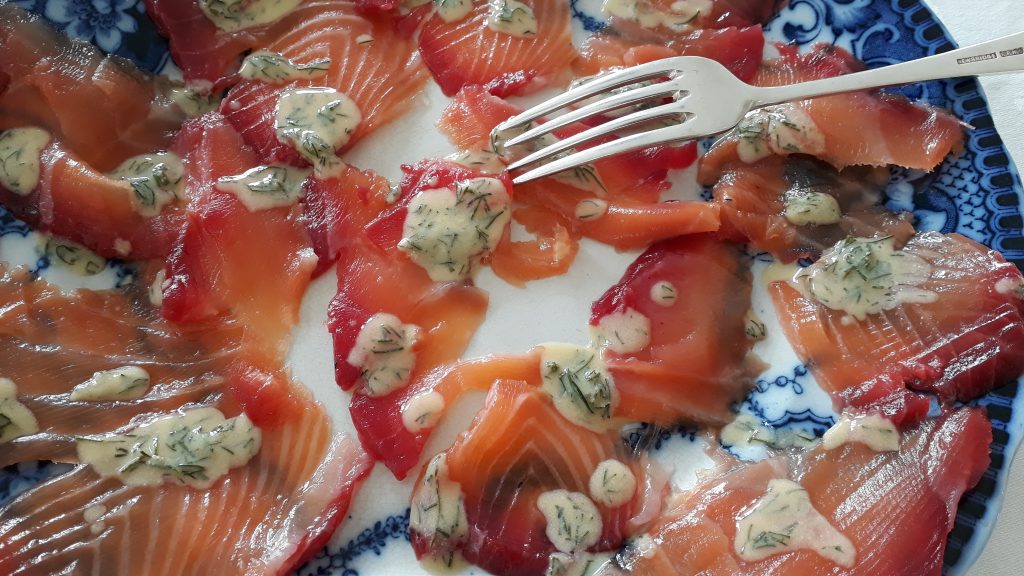
This is a recipe I love. We eat it Christmas day with a simple salad of watercress and lambs lettuce. Instead of doing what the recipe says (wrapping everything in foil while it cures) I use a glass box with plastic lid to keep everything compressed during 5-8 days or curing. Much less fiddly. Lime zest/beetroot are optional but give an amazing taste and a lovely deep pink colour. Before you start, freeze the salmon for at least 24 hours to help kill any parasites. The salt, pepper and dill in the cure and the mustard in the sauce also help kill any unwanted visitors to your tummy!
For the cure:
1 large side of salmon, organic if possible, cut into 2 roughly equal shape pieces
Zest of 1-2 organic limes
1 large bunch fresh dill
115g sea salt/Himalayan salt – flakes or fine it doesn’t matter
50g coconut sugar (use brown sugar if you don’t have coconut)
75g xylitol or erythritol (from health shops)
15g freshly ground black pepper (coarse is OK)
Optional beetroot – 1 raw, grated (cooked might work too)
Tinfoil
For the sauce (to serve with the fish on the day):
1 tbs chopped fresh dill
1 tbs English mustard powder (if you don’t need gluten-free you can use ready-made English mustard from a jar)
1 tsp coconut sugar, erythritol, xylitol or brown sugar
1 tbs virgin (cold pressed unrefined) sunflower/peanut/rape/sesame oil
2 tbs kefir*, creme fraiche (for dairy-free use unsweetened additive-free soya yoghurt)
1 tbs white wine vinegar or apple cider vinegar
*home made fully-fermented kefir is usually tolerated by people with dairy sensitivity
1. For the cure (5-8 days before you want to eat the fish)
Roughly chop the dill and mix thoroughly in a bowl with the zest, salt, sugar, xylitol/sugar, lime zest, optional beetroot and pepper. Lay out a sheet of foil about four times the width of a salmon fillet. Spread a quarter of the pickling mix over a fillet-size area on one side of the foil with a good 15cm/6in margin for folding over.
2. Place one piece of fish, skin side down, on top of the pickle mixture and cover with slightly more than half of what is left. Place the second fillet on top, skin side up, to make a sandwich. Scatter the remaining pickle mixture over the skin. Wrap up the parcel tightly, tucking the ends and edges in underneath the fish.
3. Put the package on the tray and place a similar size tray, or a plank of wood on the top. Weight it down, with a brick or two or anything else handy (the contents of the fridge?). Turn the package daily for at least five days, and no more than eight. Do not discard the pickling liquid that oozes from the package unless it threatens to spill over the side of the tray.
4. At least one hour before you wish to serve the fish, combine all the ingredients for the dressing in a jar and shake well together. Leave to stand and shake again to emulsify before serving.
5. To serve, unwrap the gravalax and wipe off any excess pickling liquid. I like to scrape off the bits of dill and beetroot and give everything a quick wipe but you don’t have to. Slice fairly (but not too) thinly then serve with the sauce and a green side salad (I love watercress and lamb’s lettuce with this). Unused gravalax can be re-wrapped in clean foil or airtight glass box and kept in the fridge for up to five days.
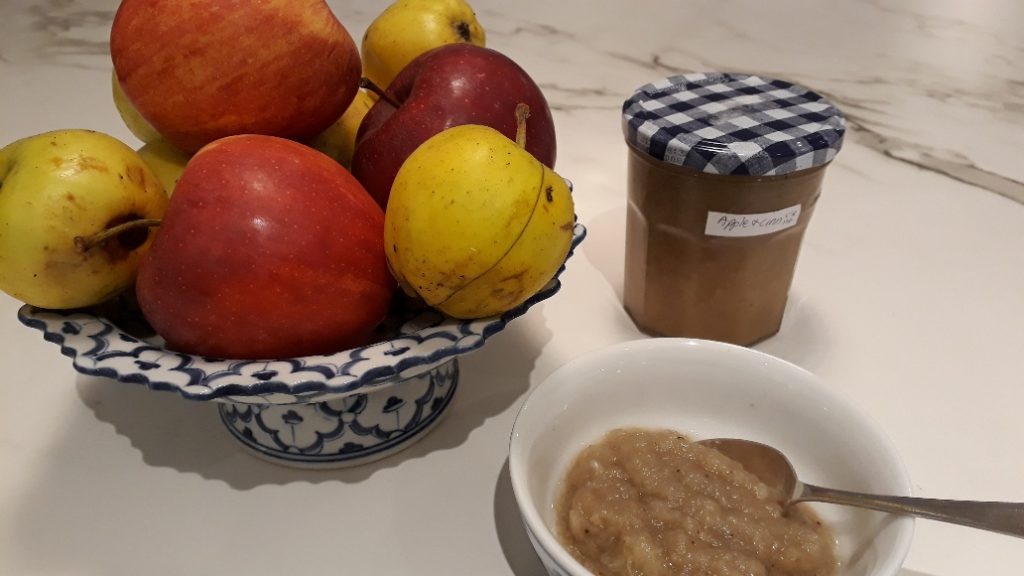
This dessert is a delicious but fantastic way to help regulate your immune system by feeding your good gut bacteria. Sweeten it if you like with some stevia drops. The reason for the skin is it provides more polyphenols (immune-supporting plant compounds that lower inflammation in your gut). If your apples are not organic give the skins a good scrub. In the Autumn, I like to make up a ton of this and bottle it in sterile jars to keep in the larder. A dollop on your morning porridge (grain-free if you’re on the SC diet), or eat with some natural coconut or dairy yoghurt. You decide. I also use it for apple sauce for duck or pork. If you’re wanting some every day divide into ramekins and store in the fridge for up to a week. Ceylon cinnamon preserves it.
For 6 servings:
A tray of Bramley (cooking) apples (about 600g), organic if possible
1/2 cup organic raisins/organic sultanas
A little water
2 tsp Ceylon/Sri Lanka cinnamon (plain “cinnamon” is cassia, which doesn’t have the health benefits and in very large amounts cumulatively over time is toxic).
Inulin, honey or (if you must) 100% pure stevia/xylitol or erythritol to sweeten
1. Wash the apples and grate off some of the skin. Put skin in a saucepan with a little water.
2. Peel and slice the rest and add to saucepan. Add a splash of water, cover and stew gently until the apples soften and fall apart into a puree. This usually takes around 15 minutes. This part is important because it releases the pectin, an important prebiotic fibre which feeds your healthy gut bacteria.
3. Remove from the heat and stir in 2 heaped tsp Ceylon cinnamon.
Why this is good for you Would you like your immune system to be in perfect balance? Protecting against infections and also avoiding/getting into remission from autoimmunity, inflammatory conditions or allergies? These days, lots of us have health conditions where our immune system is out of control. Allergies, asthma, eczema, colitis and Crohn’s, autoimmune hypothyroidism are just some examples. Stewed apple may be one of the most perfect foods for helping your good gut bacteria grow in order to dampen down an out-of-control immune system. In treating inflammatory bowel disease a daily serving of stewed apple is as powerful as prednisone, a steroid medication. Naturally we need LOTS of different plant foods in our week to foster a wide variety of good bacteria. But stewed apple is a great start, especially if you are someone who can’t tolerate raw fruit at the moment.
When you stew COOKING apples you liberate pectin. Apple pectin encourages growth of the friendly bacteria akkermansia mucinophilia. The clue is in the name. These critters nibble the mucus (yes, I know, yuck!) in your bowel, keeping it trimmed so there’s the right amount. This is important in helping get rid of GI infections and helping nutrient absorption.
Apples naturally contain sugar so it’s better not to have huge amounts of this – just the equivalent of one medium apple is the amount you want as a dessert, otherwise you are overloading with sugars. Too many sugars, even natural ones, slow down your liver function and immune system and feed health-sabotaging bacteria in your gut.